Ever wonder why two listings a mile apart both say “ski-in/ski-out,” yet one lets you click in at the door while the other needs a shuttle? If you are weighing Snowmass against Aspen, the difference between marketing language and real on-mountain access matters. You want clarity, not surprises, so you can match your lifestyle, rental goals, and budget to the right address.
In this guide, you will learn what “true” ski-in/ski-out really means, how Snowmass and Aspen compare by micro-location, and which ownership and rental rules can help or hinder your plans. You will also get a buyer checklist you can use on showings. Let’s dive in.
What counts as true ski-in/ski-out
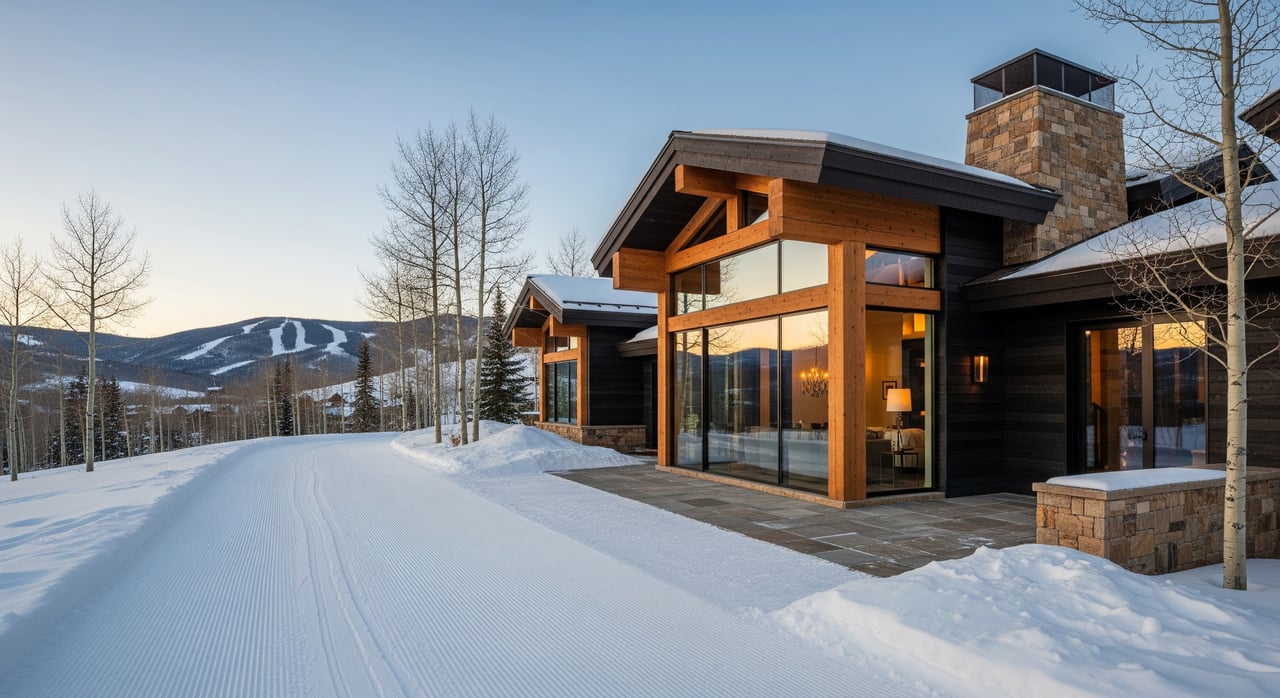
“True” ski-in/ski-out does not have a single legal definition, but in practice it means you can put on skis at or near your door and slide onto groomed terrain or to a lift without using a vehicle, shuttle, or crossing a major road or parking lot. Many listings stretch the term to include short walks or a base-area location. Your standard should be clear and verifiable.
Use this quick test:
- Can you click into skis at the door and glide to a maintained run or lift? If not, it is likely not true ski-out.
- Are there obstacles like a public road, large parking area, or long driveway to cross? That reduces convenience.
- Is there a recorded easement or right-of-way for the ski path, and is the access seasonal?
- How far is the walk or skin to the lift, measured in minutes and distance? Some buyers accept 2 to 5 minutes, others do not.
- What is the slope orientation and difficulty right outside? A steep expert pitch is not practical for everyone.
- Do HOA or building rules affect access or gear use, such as limiting ski boots in elevators or closing exterior doors to the slope?
- Are there resort or municipal restrictions on crossing roads or using service routes?
Before you write an offer, request CC&Rs and rules, plat maps, recorded easements, a recent title commitment, a trail map overlay, the condominium floor plan showing exterior access, and written confirmation from the HOA or manager about permitted ski access.
Snowmass: where step-out skiing shines
Snowmass is part of the four-mountain Aspen Snowmass system and offers the largest single-mountain footprint. Development in Snowmass Village follows a ski village model, which supports a deep inventory of condos and hotels with consistent access to lifts and groomed terrain.
Base Village and base area
This is the highest concentration of true ski-in/ski-out condos and hotels in the area. Many buildings allow you to step out and reach groomed terrain or a lift within minutes, often with on-site services such as rental desks and dining nearby. If daily, easy access is your top priority, start here.
Mid-mountain and Elk Camp
Select properties and private residences back onto groomed runs or have recorded ski easements in mid-mountain zones and around Elk Camp. Access can be excellent and feels more private than the base. Verify easements, seasonal closures, and grooming schedules, since mid-mountain paths can vary by snow year and operations.
Outer neighborhoods and tradeoffs
Areas such as Burnt Mountain, Owl Creek, and residential pockets farther from the base can be ski-adjacent. Many of these require short shuttles or a drive to lifts. They are often marketed as “ski-access,” not true ski-in/ski-out. You may find a better price per square foot in return for accepting the added logistics.
Aspen: access, prestige, and variability
Aspen Mountain rises above a historic downtown with unique urban constraints. True ski-in/ski-out exists, but it is less common and more variable. Expect more nuance around routes, street crossings, and seasonal operations.
Downtown near the Silver Queen Gondola
Many properties downtown are a short walk to the Silver Queen gondola. Because the loading area sits at a plaza in the heart of town, owners usually walk rather than ski from a private doorstep. Snow management, pedestrian crossings, and urban design can make access easy but not always ski-on.
Upper mountain homes and other mountains
A smaller set of upper mountain homes near runs can offer near-direct access. These are limited and often premium. Terrain can be steeper, and practical access may be subject to seasonal conditions. Beyond Aspen Mountain, both Aspen Highlands and Buttermilk have their own access patterns and lodging pockets. Buttermilk offers base-area lodging with ski-in proximity, while Highlands has properties marketed as ski-in/ski-out, though the approach differs from Snowmass.
Side-by-side takeaways
- Snowmass often delivers the most predictable inventory of verifiable ski-in/ski-out, especially around Base Village and Elk Camp.
- Aspen provides exceptional lifestyle and walk-to-gondola convenience downtown, with some truly slopeside options in select locations. Access is more variable and is often priced at a premium.
Ownership and HOAs: how access really works
Your ownership type and HOA rules can shape daily convenience as much as the map.
Condos and townhomes
Most ski village properties are condominiums with CC&Rs and a governing HOA. The HOA can control snow removal, slope or pathway maintenance, and whether specific doors or gates to the run are open. Rules can limit carrying skis in elevators, set times for exterior access, and define where you can store gear.
A well-run association can enhance convenience with lockers, boot rooms, and well-maintained paths. A restrictive or underfunded HOA can do the opposite, especially if special assessments are needed for slope repairs or shared infrastructure.
Hotel-condos
Hotel-condo units pair on-site services with consolidated booking and management. They often require participation in a rental program, preferred management, or specific revenue splits. This can be ideal for a second-home owner who wants concierge-level convenience and consistent guest experience. It also means less flexibility on owner use windows and rental decisions.
Single-family homes
Private homes near runs offer autonomy and privacy. Access depends on topography and recorded easements. Owners should confirm who maintains the ski path, how avalanche mitigation and snow safety are handled, and whether access crosses HOA or common property that requires permissions or indemnities. If you plan to rent the home, municipal licensing and any HOA rental rules still apply.
Rental rules to understand before you buy
Short-term rental activity requires proper licensing and tax registration in Pitkin County and the municipalities that govern Aspen and Snowmass Village. Local codes can restrict STRs in certain zones or set district-level controls. Both Aspen and Pitkin County have adjusted STR oversight in recent years, while Snowmass Village maintains its own permitting and lodging code.
Keep two layers in mind:
- Municipal requirements. Licenses, occupancy or lodging taxes, and any zone-specific caps or minimum stays.
- HOA rules. Your association can prohibit or limit short-term rentals even if the city or town allows them. The reverse is also true. HOA permission does not replace municipal licensing and tax remittance.
If you are considering rentals, verify the following in writing:
- Whether a short-term rental license is required, active, and transferable.
- Any minimum night rules, annual night caps, or owner-use blocks.
- Applicable lodging or transient occupancy tax rates and remittance procedures.
- Any mandatory participation in a rental pool, approved manager lists, or operator agreements that set revenue splits.
Understand fee patterns too. Hotel-condos often command higher nightly rates but include operator fees and shared services, which affect net returns. Independent condo rentals allow more owner control but require local management for guest service and compliance. Use actual 12 to 24 month rental statements and comparable data, not brochure cap rates.
Quick buyer checklists
On-mountain access checklist
- Map the door-to-slope path, including photos from the building to the run or lift.
- Confirm recorded easements, rights-of-way, and any seasonal closures.
- Ask which lift and run provide the nearest access and the typical grooming or closure schedule.
- Review CC&Rs for rules on gear storage, ski boots in elevators, exterior access doors, and slope-side gates.
- Verify snow removal responsibilities for paths, balconies, and entries.
- Request a recent title commitment and a plat map that shows access corridors.
Must-ask questions about rentals and management
- Does the HOA allow short-term rentals? What are the minimum nights and any caps?
- Is there an active, transferable STR license for the unit?
- Who manages rentals? Are there mandatory management agreements or marketing funds?
- What are the last 12 to 24 months of occupancy, gross, and net revenue?
- Any pending HOA or municipal rule changes that could affect rentals or slope access?
Match your lifestyle to micro-location
- If you want daily step-out access and full-service convenience with minimal self-management, focus on Snowmass Base Village condos or hotel-condos, or mid-mountain buildings with on-site services.
- If you value privacy and a home near runs, target mid or upper mountain homes with recorded easements. Confirm who maintains the path and how safety is handled.
- If you want Aspen prestige and downtown energy and accept a short walk, explore condos near the Silver Queen gondola. True ski-in/ski-out exists in select spots but is limited.
- If you want value and do not mind shuttles, consider outer Snowmass or valley neighborhoods where access is by bus or a short drive.
Value and resale considerations
Properties with clear, verifiable ski access tend to hold appeal for both personal use and rentals. In Snowmass, base-area consistency and services can support strong guest demand and easy operations. In Aspen, you often pay for proximity, prestige, and walkability, with ski access depending on specific buildings or hillside locations. For both markets, the details inside the HOA rules, easements, and municipal codes can be just as important as the map.
As you weigh properties, think about your actual use. If you will ski 25 or more days a season and want a seamless routine, prioritize door-to-slope certainty and on-site amenities. If you will visit a few weeks a year and value lifestyle and dining just as much as laps, a downtown Aspen condo near the gondola can be a great fit even if you walk. Always request documents and confirm claims so your day-to-day experience matches the listing description.
How we help you buy with confidence
You deserve a clear picture before you commit. That means overlaying trail maps, reading CC&Rs, calling HOA managers, and confirming licenses and easements so there are no surprises on closing day. Our team guides you through each step, from pinpointing the right micro-location to aligning ownership and rental options with your goals. We help you secure the documents that matter, vet the management structure, and understand the seasonal patterns that affect real access.
If you are ready to compare specific buildings, runs, or neighborhoods, we would love to be your local sounding board. Request a private consultation with Wendy Wogan to start a tailored search.
FAQs
What does “true ski-in/ski-out” mean in Aspen and Snowmass?
- It means you can put on skis at or near your door and reach groomed terrain or a lift without using a vehicle, shuttle, or crossing a major road or large parking area.
Where in Snowmass can I find the most consistent ski-in/ski-out?
- Snowmass Base Village and nearby base-area buildings offer the most concentrated, verifiable step-out access, with additional options in mid-mountain and Elk Camp locations.
Is downtown Aspen considered ski-in/ski-out?
- Many downtown residences are a short walk to the Silver Queen gondola, but true ski-in/ski-out is rare downtown since access is via a plaza and pedestrian routes.
Can my HOA limit ski access even if the map looks good?
- Yes, HOAs can control doors, pathways, gear rules, and maintenance, which can enhance or limit practical access regardless of proximity to runs.
Do I need a short-term rental license for my unit?
- Short-term rentals require proper licensing and tax registration under local rules, and HOAs can set additional restrictions even when the municipality permits STRs.
Which ownership type is best for low-effort rentals?
- Hotel-condos offer the highest service and consolidated booking, but they often require participation in a rental program and include operator fees that affect net returns.
What documents should I review before making an offer?
- Request CC&Rs and rules, recorded easements, a recent title commitment, a plat map, trail map overlays, floor plans showing exterior access, and written HOA confirmation of ski access.