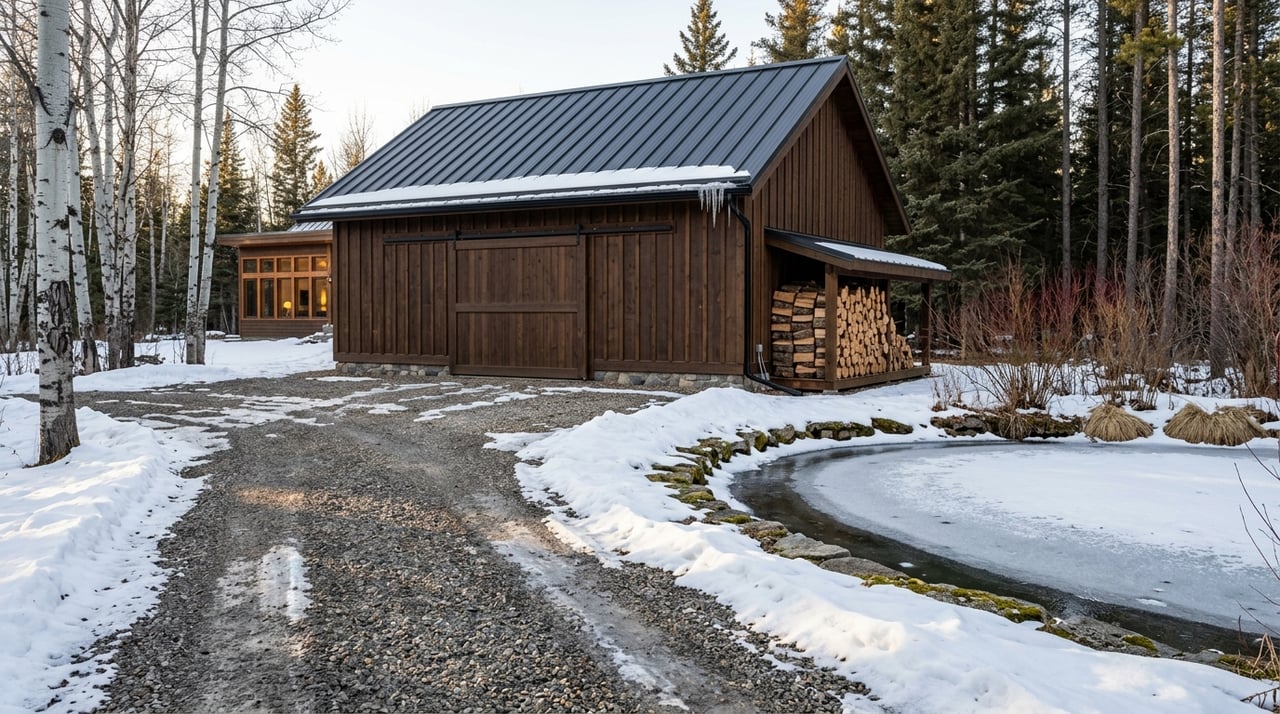
Selling a ranch in Old Snowmass is not like selling a typical home. In this part of Pitkin County, buyers are often evaluating the land, water, access, and legal uses just as closely as the residence itself. If you want to protect value and attract serious interest, it helps to prepare for the questions that matter most before your property goes to market. Let’s dive in.
Why Old Snowmass ranch sales are different
Old Snowmass is an unincorporated area of Pitkin County, and the county’s land-use framework is designed to preserve rural and agricultural character outside urban growth boundaries. Rural and Remote lands are intended for low-intensity use, which shapes how buyers think about privacy, improvements, and future potential.
That setting matters in a market with limited sales. As of September 4, 2025, Old Snowmass had 16 single-family sales year to date, 20 homes for sale, 9.6 months of supply, a median sales price of $3,275,000, and 193 days on market. In a small-sample market like this, broad averages only tell part of the story.
For ranch sellers, value usually comes down to the features that are hardest to replace. Acreage, water, access, views, outbuildings, improvements, and easements often have a major impact on pricing and buyer interest.
Price the property by its real-world utility
In Old Snowmass, two ranches with similar square footage can command very different prices. That is because buyers are often comparing the usefulness and flexibility of the land, not just the home itself.
A thoughtful pricing strategy should reflect what your parcel actually offers. That may include irrigation infrastructure, a permitted well, usable pasture, approved ponds, road quality, bridge access, or documented agricultural improvements.
This is also why overreliance on a few nearby sales can be risky. With only a small number of transactions each year, monthly swings can look dramatic, and direct comparisons may not capture what makes your ranch distinct.
Water documentation can shape value
In Colorado, water rights do not automatically transfer with land ownership. Pitkin County specifically notes that the presence of a ditch on a parcel does not mean the owner has the right to pump from it.
If your ranch includes irrigation, a pond, creek frontage, or well infrastructure, buyers will want clarity early. They will likely ask what water rights convey, what is shared, and what may require separate approval.
Before listing, it is smart to gather a complete water file, including:
- Water-rights deeds or decrees
- Irrigation-share records
- Ditch agreements
- Well permits
- Pump-test records
- Any pond approvals
This kind of preparation can help reduce uncertainty during negotiations. It also supports a stronger marketing story when water is one of the property’s defining assets.
Access and utilities deserve careful review
Access is a major ranch issue in Pitkin County. The county seeks to retain unpaved roads where practical and avoid pushing winter maintenance farther into remote areas, so buyers may closely evaluate mud season conditions, dust, snow impacts, and year-round usability.
If the property is served by a private road or bridge, buyers will often ask who maintains it and how costs are shared. Road maintenance agreements, snow-removal obligations, and any recorded access easements should be easy to review before the property hits the market.
Utilities also matter. Outside urban growth boundaries, Pitkin County generally does not support extending public water and sewer, which means many rural properties rely on private wells and onsite wastewater treatment systems.
OWTS and septic records are not optional
If your ranch is outside a sewer district, it likely uses an OWTS or septic system. Pitkin County requires an OWTS use permit before the sale of a property served by one, so this is an important item to address early.
It helps to organize:
- OWTS use permit information
- Inspection records
- Pumping history
- Repair or upgrade documentation
This step is simple but important. When buyers see that the wastewater file is complete, they can move forward with more confidence and fewer last-minute delays.
Outbuildings need clear classification
Not every barn-looking structure is treated the same under county rules. Pitkin County notes that only buildings truly used for agricultural purposes are recognized as barns or agricultural buildings for certain floor-area exemptions.
That means your marketing should carefully describe each structure based on what it is and how it is classified. A true agricultural building, an accessory structure, a historic building, or a guest-related improvement may all be viewed differently.
Before listing, confirm how each structure is documented and permitted. If a buyer is paying a premium for function and flexibility, vague descriptions can create unnecessary friction.
Easements and title issues should be explained simply
Ranch properties often come with more title complexity than in-town homes. Conservation easements, trail easements, access easements, and split-estate mineral-rights issues can all affect value and buyer expectations.
Pitkin County also notes that easements may or may not provide public access. That distinction matters, and it is worth explaining clearly in your due-diligence package so buyers understand what the easement does and does not allow.
A pre-listing review of survey materials, title matters, maintenance agreements, and mineral-rights questions can help avoid confusion later. In a discreet, high-value sale, clean information is often part of what supports a premium position.
Buyers will ask about future flexibility
Many ranch buyers are not only purchasing the property as it exists today. They are also thinking about what they may want to do with it later, whether that means improving a barn, adding another structure, or making site changes over time.
In Pitkin County, future improvements can depend on adequate water supply for domestic use, fire protection, and irrigation where applicable. Development near floodplains, wetlands, riparian areas, and stream setbacks can also be heavily constrained.
This is why pre-listing diligence matters so much. A buyer may love the setting, but they still need to understand what the land supports and what county rules may limit.
Wildlife, livestock, and wildfire matter too
Pitkin County is an open-range area, and the county does not limit the number of animals that can be kept on a property. For ranch sales, that makes fencing, livestock movement, and neighboring land uses part of the practical conversation.
Wildfire readiness is another key issue. The county requires wildfire defensible space and access standards, and its wildfire resiliency code applies to building permit applications submitted on or after May 2, 2026.
These details may not be the first thing buyers notice in photography, but they can become important quickly during due diligence. Addressing them early shows stewardship and can keep the transaction moving.
Build a marketing package around the land
For an Old Snowmass ranch, strong marketing should tell the story of the property beyond the home. In many cases, the most valuable features are the ones that interior photos cannot explain.
That usually means documenting:
- Aerial scale and parcel layout
- Approach roads and access points
- Pasture and irrigated ground
- Water features and irrigation infrastructure
- Barns and outbuildings
- The relationship between the residence and the land
In a thinly traded market, buyers need help understanding why your ranch is special. The clearer the story, the easier it is to justify value.
Prepare answers serious buyers will want
Qualified buyers tend to focus on a similar set of questions. If you can answer them clearly and back them up with documentation, you create a smoother path to contract.
Expect questions like these:
- What water rights and well rights convey?
- Is the OWTS or septic system current and permitted?
- Which buildings are legally agricultural or accessory?
- Are there conservation, trail, or access easements?
- Are mineral rights severed from surface ownership?
- What are the winter access and road maintenance responsibilities?
- Are there wildfire, floodplain, wetland, or stream setback constraints?
These are not side issues. In Old Snowmass, they are often central to how a buyer values the property.
A cleaner file often supports a stronger sale
A ranch sale in Old Snowmass is often as much a land-and-water transaction as a home sale. In a market with limited comparable sales, well-organized documentation and a clear presentation of lawful uses can make a meaningful difference.
That is especially true for sellers who want a discreet, well-managed process. When the important details are handled upfront, you are in a better position to attract serious buyers, defend your asking price, and reduce avoidable surprises.
If you are thinking about selling a ranch in Old Snowmass, a tailored strategy matters. For private guidance on pricing, positioning, and pre-listing preparation, contact Wendy Wogan for a confidential consultation.
FAQs
What makes selling a ranch in Old Snowmass different from selling a standard home?
- Buyers usually evaluate land utility, water, access, easements, outbuildings, and permitted uses along with the residence, and the local market has relatively few comparable sales.
What water records should you gather before listing a ranch in Old Snowmass?
- You should collect water-rights deeds or decrees, irrigation-share records, ditch agreements, well permits, pump tests, and any pond approvals tied to the property.
What septic or OWTS issue matters when selling a Pitkin County ranch?
- If the property is served by an OWTS or septic system outside a sewer district, Pitkin County requires an OWTS use permit before the sale.
Why do buyers ask about barns and outbuildings in Old Snowmass?
- Buyers want to know how each structure is classified because county rules treat agricultural buildings, accessory structures, and other improvements differently.
What access questions come up with ranch properties in Old Snowmass?
- Buyers often ask about private roads, bridges, snow removal, grading, maintenance agreements, and how reliable access is throughout the year.
What land constraints can affect ranch value in Pitkin County?
- Floodplains, wetlands, riparian areas, stream setbacks, wildfire requirements, easements, and mineral-rights issues can all affect use, future improvements, and value.