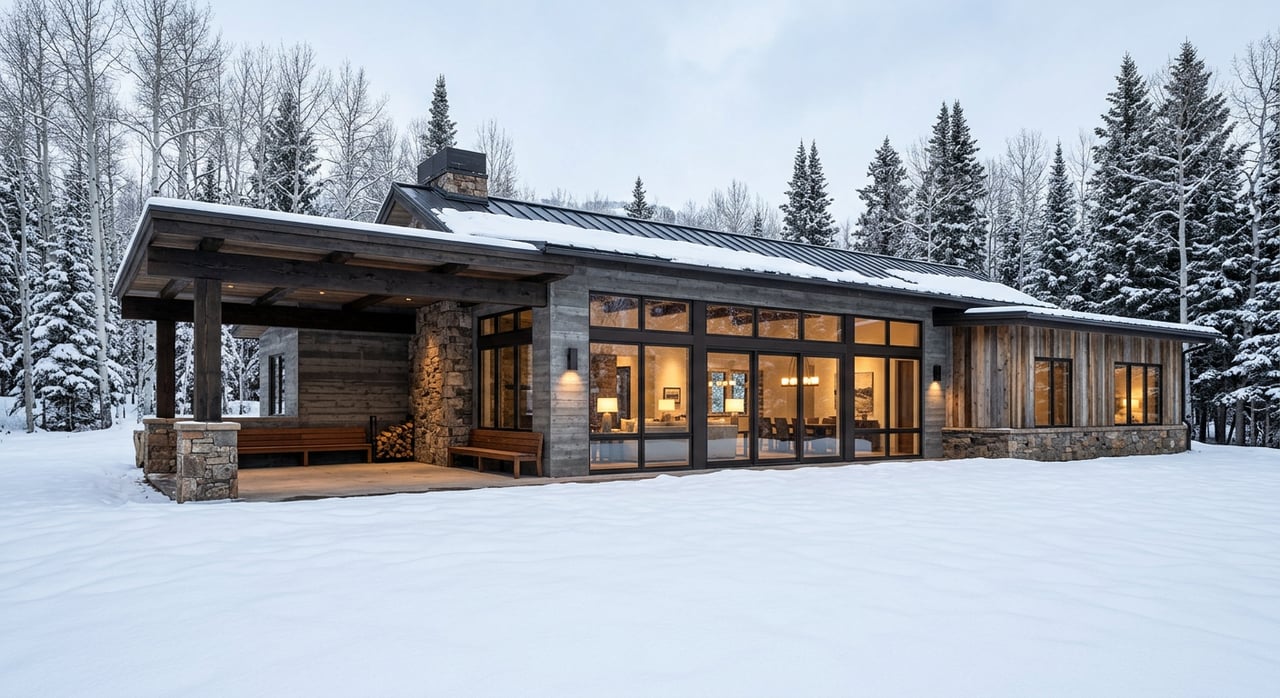
Looking for room to breathe without giving up quick access to Aspen’s slopes, dining, and arts? If you picture morning rides through open meadows, a creek humming below the porch, and starry nights that actually feel dark, Old Snowmass may be the sweet spot. You get rural ranch character with realistic drive times to Aspen, Snowmass Village, and Basalt. In this guide, you’ll learn how Old Snowmass works for second-home buyers, what to expect from wells and septic to winter plowing, how building rights and TDRs shape your options, and a practical checklist to use before you buy. Let’s dive in.
Old Snowmass at a glance
Old Snowmass sits in the Roaring Fork Valley near the mouth of Snowmass Creek, between Aspen and Basalt along Highway 82. It is an unincorporated part of Pitkin County with a distinct rural identity that is separate from the slopeside town of Snowmass Village. For quick orientation, see the overview of Snowmass, Colorado on Wikipedia’s entry for the area’s unincorporated community context.
Day to day, the area reads as open meadows, river and creek corridors, and working or legacy ranches. Many parcels have larger acreage than in-town Aspen, with wide views and a quieter pace. Typical valley drive times are often in the 10 to 25 minute range to Aspen or Snowmass Village depending on where you start and road conditions, with Basalt even closer. The local commercial airport is Aspen/Pitkin County (ASE), which anchors regional access for second-home owners. You can review regional basics on the Aspen Chamber’s fact sheet for helpful context.
What you can buy on acreage
In Old Snowmass, you tend to find single-family country homes, historic or working ranches, and large acreage parcels that can range from a few acres to 100-plus acres. Equestrian facilities, barns, corrals, hay fields, and river or creek frontage appear in the mix. Buyers often prioritize privacy, elbow room, and a slower rhythm while staying within a short valley drive of ski areas and town amenities.
Value is tied to location, views, water rights, and buildability. Parcels with adjudicated ditch rights or live-water frontage can command premiums, as can those with strong view sheds and easier site access. Unlike in-town homes, ranch properties are highly site specific, so you’ll want to study each parcel’s utilities, access, water rights, and development envelope carefully.
Daily life, trails, and horses
Old Snowmass is a natural fit if you want multi-use and equestrian access. The valley’s beloved Rio Grande Trail runs through the area, and it connects you to miles of riding, running, and biking. For a quick primer on the route and what to expect, check out the Aspen Times overview of the Rio Grande Trail.
Nearby public open spaces, like the county-managed Lazy Glen Open Space, add options for outdoor time close to home. Many private parcels also connect to trail systems across county, BLM, or Forest Service lands. If you keep horses, the area’s ranching heritage and existing facilities can make it easier to get out on the trail or manage hay production at a small scale.
Building and expanding: what the rules allow
Pitkin County regulates development through its Land Use Code. Your permitted house size, allowable outbuildings, and road or access rules are set by the county code, your parcel’s zoning, and any recorded building envelopes.
A key tool in Pitkin County is the Transferable Development Rights program. TDRs allow development rights to be moved from sending sites, often rural or backcountry parcels, to receiver sites that can accept more floor area. Many custom builds in the county use TDRs to increase square footage beyond base allowances. Before you buy, confirm the parcel’s base house size, whether TDRs are needed to expand, and whether any TDRs or entitlements already transfer with the property.
- Read the county’s Land Use Code resources to understand how square footage and envelopes are determined.
- Review the county’s Transferable Development Rights program overview to see how TDRs might factor into your plan.
Smart second-home planning: utilities and access
Water and wastewater
Private wells are common in Old Snowmass. Every new well in Colorado requires a state permit and a licensed driller. Pitkin County notes that private well water quality is the owner’s responsibility, so plan to review any water-quality tests and the well permit. For sewage, the county regulates Onsite Wastewater Treatment Systems, also known as septic or OWTS. Ask the seller for OWTS permits, design documents, and maintenance history. Start with the county’s pages on Wells and the OWTS program to frame your due diligence.
If the property includes irrigation for pasture or hay, verify what water rights or ditch diversions are tied to the parcel. Rights can be senior or junior and often come with specific agreements. Regional reporting on the Roaring Fork watershed shows why these rights matter in dry years and for productive pasture. See the Roaring Fork category on Coyote Gulch for context on local irrigation practices.
Power, broadband, and cell coverage
Electric service in much of the valley is provided by local utilities and cooperatives. Broadband can vary by parcel. Some pockets have fiber or cable, while others rely on fixed wireless or satellite services. If fast internet is a must, confirm it early. Ask providers about realistic speeds, equipment needs, and any line-extension options during planning.
Roads and winter access
Some Old Snowmass parcels sit on county-maintained roads, while others are reached by private roads or long driveways. In winter, maintenance responsibilities and costs matter. Review the county’s Road and Bridge information for service levels, and ask for any recorded road easements or private road agreements. Confirm who plows and who pays before you close.
Wildfire risk and insurance
Wildfire is a real risk in the valley, and insurers factor it into coverage and pricing. Local fire districts, including Roaring Fork Fire Rescue Authority and Aspen Fire, serve the area and respond to structural and wildland incidents. Recent incidents near Old Snowmass highlight how fast-moving brush or structure fires can be, and why preparation matters. Use the Colorado Wildfire Risk Public Viewer to get a parcel-level look at exposure, then speak with your insurer about the specific address. You can also contact Roaring Fork Fire Rescue for preparedness guidance and Home Ignition Zone best practices.
Schools, medical, and services
Many Old Snowmass families are served by the Roaring Fork School District, with Basalt schools commonly noted in the pathway. For a neutral reference point, review Basalt Elementary’s district page. Medical care is available in Basalt and Carbondale clinics, with hospitals in Aspen and Carbondale serving the valley. Build drive times to school, activities, and appointments into your planning, especially in winter.
Short-term rental rules
If you plan to rent your home, do not assume permissibility. Pitkin County is studying and updating short-term rental policy, and rules can change. Before you pencil in revenue, review the county’s Short-Term Rental Impact Study project page and check current licensing requirements for unincorporated areas that include Old Snowmass.
What it costs and how to think about value
Pitkin County sits at the high end of Colorado real estate values. Old Snowmass can offer larger acreage and ranch-style living that may be a better acreage value than in-town Aspen, but pricing remains premium. Expect stronger pricing for properties with live water, adjudicated irrigation rights, big protected views, and easier access. Because ranch and acreage comps differ from in-town homes, ask your broker for recent sales on similar-size parcels and working ranches. If you plan to build or expand, factor in TDR costs, design and permitting timelines, infrastructure upgrades, and wildfire mitigation.
Your Old Snowmass due-diligence checklist
Use this short list to frame your conversations and offers:
- Is the parcel within a defined building envelope, and what is the permitted square footage? Have any TDRs been used or are they available to transfer? Consult Pitkin County’s Land Use Code and TDR resources.
- Does the property have an approved OWTS, current permits, and maintenance records? Ask for the county OWTS file and any repair history.
- Is there a permitted private well, and are there recent water-quality test results? Review the county’s guidance on wells and owner responsibilities.
- What water rights or ditch diversions are tied to the parcel? Confirm adjudication, priority, and any neighbor agreements. For context, review Roaring Fork watershed irrigation reporting.
- Who maintains access roads and the driveway in winter, and how are costs shared? Check county Road and Bridge information and recorded easements.
- What is the parcel’s wildfire risk profile, and how will insurers view the address? Start with the Colorado Wildfire Risk Public Viewer and request a local HIZ assessment.
- Which utilities serve the parcel today, and what are realistic broadband speeds? If you want fiber or EV infrastructure, discuss builder-stage options early.
- If you plan to rent periodically, is the home eligible for a short-term rental license under current Pitkin County rules? Review the county’s STR Impact Study page and confirm requirements.
- Are there conservation easements or recorded restrictions that affect use or future development? TDR agreements can imply sending or receiving conditions; review title carefully and consult county resources.
- What are the most relevant comparable sales for similar acreage and ranch uses? Ask your broker for up-to-date land comps rather than relying on in-town condo or single-lot home sales.
How we help you buy with confidence
Buying acreage in Old Snowmass is equal parts inspiration and logistics. You need clear answers on wells and septic, water rights, access and plowing, wildfire mitigation, and development rights. You also need a team that can guide TDR strategy, coordinate architects and builders, and manage a remote-friendly process from offer to close.
As a boutique, high-touch Aspen advisory, the Bass Wogan Team blends deep local knowledge with concierge-level transaction management. We help you:
- Clarify entitlement paths and introduce architects, builders, and engineers who thrive on rural sites.
- Vet wells, septic, and irrigation details with the right local specialists.
- Understand road maintenance obligations and line up reliable winter service.
- Coordinate wildfire risk assessments and mitigation plans that insurers appreciate.
- Structure offers that respect the nuances of land, water, and TDR value.
When you are ready to explore Old Snowmass ranch living, connect with Wendy Wogan to request a private consultation.
FAQs
What is Old Snowmass and how is it different from Snowmass Village?
- Old Snowmass is a rural, unincorporated part of Pitkin County with ranch parcels and open space, while Snowmass Village is a slopeside resort town; Old Snowmass offers more acreage and privacy with short drives to ski areas.
How far is Old Snowmass from Aspen, Basalt, and the airport?
- Typical valley drives range from about 10 to 25 minutes to Aspen or Snowmass Village and about 8 to 12 minutes to Basalt, with the Aspen/Pitkin County Airport nearby; winter weather and traffic can add time.
Are horses and trail access practical in Old Snowmass?
- Yes, many parcels support equestrian uses, and you have nearby routes like the Rio Grande Trail and county-managed open spaces such as Lazy Glen that add to outdoor options.
What should I know about wells, septic, and water rights?
- Private wells and septic systems are common; you should review well permits, water-quality tests, OWTS permits and maintenance, and any ditch or irrigation rights tied to the parcel.
How do wildfire risk and insurance work in this area?
- Use the Colorado Wildfire Risk Public Viewer for a parcel snapshot, consult local districts like Roaring Fork Fire Rescue for mitigation guidance, and speak with insurers early about coverage and pricing at the specific address.
Can I short-term rent a home in Old Snowmass?
- Do not assume permissibility; review Pitkin County’s Short-Term Rental Impact Study and current licensing rules for unincorporated areas before planning any STR activity.