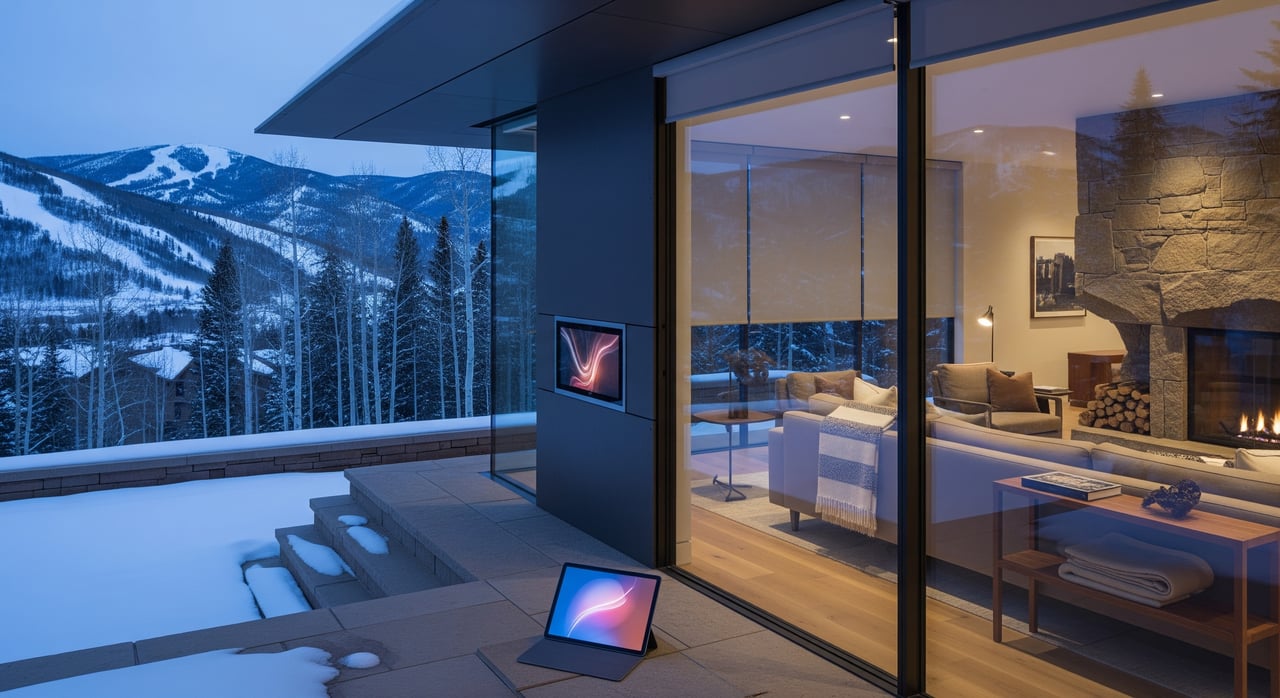
Do you love your Snowmass home but spend most of the year somewhere else? Managing a mountain property from afar can feel daunting, especially with heavy snow, freeze cycles, and short-term rental rules to navigate. You want confidence that your home is protected, ready for arrival, and compliant with local requirements. This guide gives you the playbook you need, from service options to seasonal checklists and contracts that keep everything running smoothly. Let’s dive in.
Service options in Snowmass
Caretaker: hands-on, local support
A local caretaker is often a single person or small team who checks your home regularly, handles basic maintenance, and coordinates vendors. This is a cost-effective fit if you visit occasionally and do not rent. Typical duties include routine walk-throughs, HVAC checks, snow and ice monitoring, mail pickup, minor fixes, and opening or closing the property for visits.
Caretakers offer a personal relationship and quick on-site attention. The tradeoff is fewer formal systems for accounting or guest operations. If you plan to rent or need detailed reporting, you may want a property manager instead.
Property management: full-service coverage
A professional property manager handles day-to-day operations for absentee or rental properties. If you short-term rent, they manage marketing and bookings, guest communication, check-in and check-out, cleanings, maintenance, emergency response, compliance, and financial reporting. Pricing varies by scope and can include a percentage of rental revenue, a flat monthly fee, per-service fees, or a hybrid.
This is a turnkey option that reduces your time burden and supports compliance in the Town of Snowmass Village and Pitkin County. Confirm what is in-house versus subcontracted, and make sure response times, financial controls, and reporting are clearly defined in writing.
Concierge services: experience and comfort
Concierge teams elevate your arrival and guest experience with hospitality-focused services. Common requests include grocery delivery, pre-arrival stocking, meet-and-greet, transportation coordination, ski passes, and private chefs. These services are add-ons. They are not a substitute for maintenance or property management, but they can transform the feel of each stay.
Specialty vendors and monitoring
Snowmass homes benefit from a reliable bench of specialists: snow and ice contractors, alarm and monitoring services, HVAC pros, plumbers, arborists, pest control, and roof contractors. Many owners add smart thermostats, leak detectors, and remote water shutoff systems. Even if you use a property manager, you may prefer direct contracts with critical vendors to ensure control and continuity.
Seasonal plan and checklists
Annual calendar at a glance
- Fall (Sept–Nov): Fall cleanup, chimney or woodstove inspection, gutter service, winterize irrigation, wrap and exterior prep, verify heating systems, schedule snow-removal contracts.
- Winter (Nov–Mar): Frequent checks for snow load and ice dams, HVAC monitoring, remote sensor checks for leaks and power outages.
- Spring (Mar–May): Thaw inspections for water intrusion, roof and gutter repairs, HVAC servicing, septic or drain checks.
- Summer (Jun–Aug): Pest control, deck and exterior maintenance, landscape and tree work, defensible space where appropriate, repainting and major projects.
- Long vacancies: Increase visit frequency to reduce freeze risk and prevent mold; schedule periodic occupied weeks to circulate systems.
Pre-arrival checklist
- Run all water lines and check for leaks.
- Test heating or AC and verify hot water.
- Inspect roof and attic for ice dam or rodent damage.
- Confirm power is stable and alarms are active.
- Test smoke and CO detectors.
- Stock essentials and open blinds to circulate air.
Winterization checklist
- Service boiler or furnace and set to a safe temperature.
- Insulate exposed pipes and use heat tape where needed.
- Shut off and drain non-essential water lines for long vacancies, or install automatic leak detectors with remote shutoff.
- Clear gutters and downspouts to reduce ice dams; inspect roof and flashing.
- Confirm generator maintenance and fuel plans; verify propane deliveries.
- Set a snow-removal contract with clear triggers, such as when snowfall reaches a defined depth.
Routine inspection checklist
- Interior: Smell test for mildew, inspect for water stains, check plumbing under sinks, test toilets, verify hot water and heating, test appliances and alarms, check HVAC filters.
- Exterior: Inspect roof, siding, decks, gutters; look for animal intrusion; check snow and ice accumulation at eaves.
- Grounds: Monitor driveway condition, deadfall and tree hazards, fences, and septic status if applicable.
- Documentation: Require dated photos, a written report, and invoicing with recommended follow-ups.
Emergency preparations
- Pre-approve an emergency spending limit in writing so urgent repairs happen fast.
- Create an escalation list that includes a local vendor, property manager, and owner contacts.
- Keep local utility and emergency numbers handy, including electric, gas, fire district, and water district.
Choose the right mix
Key decision factors
- Ownership goals: personal use only, short-term rental, or long-term vacancy.
- Visit frequency and seasonality.
- Distance and travel time to Snowmass.
- HOA and short-term rental rules.
- Insurance requirements and risk tolerance.
- Budget vs. desired convenience and response time.
Common owner profiles and bundles
- Occasional personal user: Pair a local caretaker with periodic visits, pre- and post-stay cleanings, seasonal winterization, and remote monitoring. Secure separate contracts for snow removal, HVAC, plumbing, and a reliable handyman.
- Short-term rental owner: Hire a full-service property manager with STR experience, professional cleaners, and optional concierge services. Require clear accounting for licensing, taxes, and occupancy reporting.
- Long-term vacant or extended absences: Schedule weekly or biweekly caretaker visits, robust winterization, monitored alarm and sensors, and a detailed emergency spending policy.
How to vet providers
- Confirm Snowmass and Pitkin County experience and ask for local references.
- Require a written scope with response times and reporting cadence.
- Verify insurance coverage and workers’ compensation.
- Review financial controls, invoicing transparency, and holdback procedures for projects.
- Ask about subcontracting, steady crews, and technology for key control and smart home integrations.
Vendor onboarding and contracts
Vendor onboarding checklist
- Collect business license, W-9, proof of insurance, and workers’ compensation.
- Confirm required trade permits or licenses.
- Request local references.
- Document pricing and billing terms, including emergency premiums.
- Ask about background checks for anyone entering the home.
- Use a standardized condition report with photos.
- Implement key control: secure key box, smart lock, or licensed key agent.
- Establish an emergency response plan and backup vendor list.
- Define equipment and supplies responsibilities.
- Capture warranties and service guarantees.
Contract essentials
- Scope of services and exclusions spelled out.
- Service levels and response times, such as contact within a set window and on-site within defined hours.
- Rates, invoicing schedule, acceptable expenses, and an emergency spending cap.
- Insurance and indemnity requirements, with certificates naming the owner when appropriate.
- Data privacy and handling for personal or guest information.
- Subcontractor authorization and vetting standards.
- HOA and municipal compliance: who registers the property and remits taxes.
- Term, termination rights, and transition plan for keys and records.
- Reporting frequency and format, including photos and financials.
- Dispute resolution and jurisdiction, preferably local.
Local vendor categories to line up
- Snow and ice management for driveway, walkways, and roof when needed.
- HVAC and heating fuel supplier.
- Plumber with freeze protection expertise.
- Electrician familiar with high-elevation and generator systems.
- Roofing and contractor support for snow load and ice dams.
- House cleaner and linen service.
- Locksmith or smart lock vendor and lockbox provider.
- Pest control and wildlife exclusion.
- Arborist for tree health and defensible space.
- Security and monitoring for alarms, cameras where allowed, and leak sensors.
- Waste removal with bear-aware, lockable bins.
- A local first-responder handy person.
Regulations, insurance, and taxes
Local rules to verify
Before you rent or sign a management agreement, confirm requirements with the Town of Snowmass Village and Pitkin County. Common items include short-term rental licensing, occupancy or lodging taxes, business licensing, building permits, and waste rules. Review HOA covenants, since many mountain communities have guidelines for rentals, exterior work, parking, snow removal responsibilities, and guest registration.
Insurance basics for remote owners
Discuss policy details with an insurer experienced in Colorado mountain properties. Ask about vacation rental endorsements or commercial coverage for STRs, liability limits, vacancy clauses, and coverage for snow, ice, and freeze-related plumbing issues. If you hire in-home staff, consider workers’ compensation and an umbrella policy for added protection.
Taxes and accounting
If you rent, you are responsible for reporting rental income under federal rules. State and local lodging or sales taxes may apply in Colorado, and you may need a local business license. Require monthly or quarterly statements from your manager and keep receipts for repairs and capital improvements to maintain clear records.
Safety and local hazards
Manage roof snow load and ice dams promptly. Protect against water damage with freeze prevention, monitored leak detectors, and remote shutoffs. Where appropriate, improve wildfire defensible space and follow local mitigation guidance and HOA requirements. Make sure smoke and CO alarms work, fire extinguishers are in place, and local emergency numbers are visible.
First steps this week
- Define your goals: personal use, short-term rental, or a mix.
- Map your budget and desired response times.
- Verify Snowmass Village, Pitkin County, and HOA rules in writing.
- Request written proposals with scopes, response times, and emergency caps.
- Build your vendor list with backups for critical trades.
- Install remote monitoring and a secure key system.
- Require photo reports after each visit and monthly financial reconciliation.
When you are ready to align your home strategy with your long-term goals, we are here to help you execute with confidence. For introductions to vetted local providers and guidance tailored to your property, reach out to Wendy Wogan for a private consultation.
FAQs
How much do Snowmass caretaking and management cost?
- Pricing varies by scope; caretakers often charge per visit or monthly retainers, while property managers may take a percentage of rental revenue or a flat fee with add-ons.
How often should a vacant Snowmass home be checked in winter?
- Increase frequency during freeze and storm periods, often weekly or biweekly, to catch leaks, outages, snow load, and ice issues early.
What should my snow-removal contract include in Snowmass?
- Define trigger depths for plowing, areas to clear, roof snow protocols, response times, de-icing methods, and communication during storms.
Who pays vendors when I have a manager?
- Your contract should state whether the manager pays vendors and invoices you or if you pay directly; set an approval workflow and emergency spending cap.
How do I verify short-term rental compliance in Snowmass Village?
- Ask prospective managers for their experience with local licensing and tax remittance, and request sample compliance documentation before you sign.
What remote monitoring is worth it for mountain homes?
- Smart thermostats, leak detectors, and remote water shutoff systems provide strong protection against freeze and water damage while you are away.