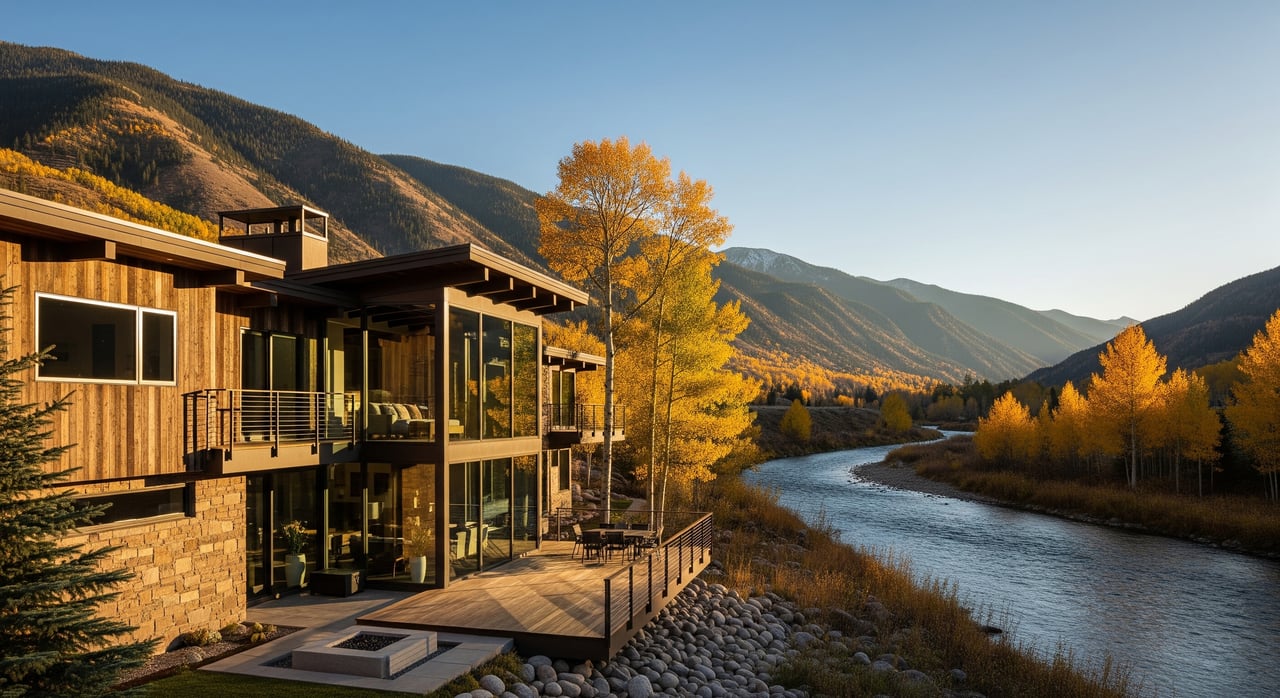
Thinking about a second home in Basalt and wondering how to finance it confidently? You are not alone. In a resort market like Eagle County, the right jumbo loan strategy can save you time, stress, and real money. In this guide, you will learn how jumbo loans work, what lenders expect for second homes, and how to prepare a rock-solid file tailored for Basalt’s mountain market. Let’s dive in.
What counts as a jumbo loan in Basalt
A jumbo loan is any mortgage that exceeds the local conforming loan limit set by the Federal Housing Finance Agency. Because these loans are not purchased by Fannie Mae or Freddie Mac, lenders keep them on their own books or sell them to private investors. That means tighter standards and more variation in terms.
For context, the 2024 national baseline conforming limit for a 1-unit home is $766,550. Certain high-cost markets allow up to $1,149,825. Whether your Basalt purchase is considered jumbo depends on the current conforming limit for Eagle County at the time you apply. Ask your lender to confirm the county limit and how it applies to your price point.
Jumbo status can impact pricing and process. Rates may be higher than conforming loans and underwriting is usually more detailed, especially for second homes in resort areas. The upside is more product variety from portfolio lenders, including interest-only and asset-based options.
What lenders look for on second homes
Jumbo underwriting is more rigorous for second homes than for primary residences. Here is what most lenders focus on.
Credit score and profile
Strong credit matters for best pricing. Many lenders look for 740+ on second-home jumbos, with competitive pricing often available in the 720 to 760+ range. Avoid new credit inquiries while shopping and address any report errors early.
Down payment and LTV
Second-home jumbos commonly expect a larger down payment than conforming loans. Typical ranges include:
- 20% down (80% LTV) as a common floor
- 25% to 30% down for stronger pricing or when the property is unique
Higher LTVs may be possible with strong compensating factors like excellent credit and large liquid assets, but they are less common in resort markets.
Debt-to-income and compensating factors
Expect DTI caps in the 43% to 50% range. Lenders may stretch with compensating factors such as significant reserves, stable high income, or substantial liquid net worth. Your individual profile will drive the final number.
Cash reserves
Plan for reserves measured in months of full housing payments, often called PITI. Typical ranges for second-home jumbos include:
- Minimum of 6 months for well-qualified buyers
- 6 to 12 months as most common
- 12 to 24 months for higher-risk scenarios or unique properties
Liquid accounts usually count first. Retirement funds may also count, sometimes at a discount and with documentation of accessibility.
Income documentation and alternatives
- Salaried borrowers provide recent pay stubs, W-2s, and employer verification.
- Self-employed buyers usually provide two years of personal and business tax returns and may need a CPA-prepared P&L.
- High-net-worth options include asset depletion, where liquid assets are converted into qualifying income, and bank-statement programs that average deposits over 12 to 24 months. These often come with higher rates and reserve requirements.
Occupancy and short-term rentals
A second home is a property you use for personal occupancy on a regular basis, but it is not your primary residence. Short-term rentals can change how lenders classify the loan. If the home has active STR history or you plan to rent it, some lenders may treat the loan as an investment property, which typically means stricter standards and higher pricing. Confirm the Town of Basalt and Eagle County STR rules and be prepared to show permits if rentals are part of your plan.
Appraisal and property condition
Appraisals in mountain markets can be complex. Unique lot types, seasonal access, and limited comparable sales are common. Lenders may require a full interior appraisal and sometimes a second opinion. Provide any relevant market context early and work with professionals familiar with Eagle County.
Insurance and environmental risks
Insurability is a key condition to close. In Colorado, wildfire exposure can affect coverage and price. If the property sits in a Special Flood Hazard Area, flood insurance may be required. It helps to engage an insurer familiar with mountain and wildfire risk early in the process and to gather quotes while you are under contract.
Basalt and Eagle County nuances that affect loans
Second-home jumbo financing in Basalt moves smoother when you account for local conditions upfront.
Resort-market appraisals
Inventory for true comparables can be limited. Seasonal activity can also skew recent sales. Ask your lender about appraisers who understand Eagle County and allow time for a thorough review.
STR rules and licensing
Local permitting and zoning for STRs can change. If renting is part of your plan, verify rules for your property’s jurisdiction and collect any necessary permits. Lenders often request proof of compliance.
Access, utilities, and seasonality
Some mountain homes have seasonal access or rely on well and septic. These factors can trigger additional appraisal and underwriting checks. Clarify year-round access and utility details early.
HOA and condo project reviews
Many second homes in Basalt are part of an HOA or a condominium project. Lenders may review budgets, reserves, litigation, and overall project health. If you are looking at a condo, ask your lender about project eligibility early to avoid surprises.
Insurance and wildfire readiness
Wildfire risk is a real consideration. Some insurers require mitigation steps. Confirm you can obtain adequate coverage before appraisal and underwriting are complete.
Financing options for high-net-worth buyers
Beyond a standard fixed-rate jumbo, you may have access to specialized programs that match your financial profile and goals.
Conforming vs. jumbo vs. portfolio
- Conforming loans, if your price fits under the county limit, may offer simpler underwriting and lower rates.
- Jumbo loans require more reserves and higher credit standards, but they are common for second homes in Basalt.
- Portfolio lenders keep loans on their balance sheets and can offer flexible terms, including asset-based qualifying and interest-only structures.
Interest-only and ARM structures
Interest-only and adjustable-rate options can lower initial payments and may fit a shorter ownership horizon. Qualification typically uses a fully amortizing payment for DTI. Understand reset risk and match the product to your timeframe and liquidity.
Asset-based and bank-statement programs
If your wealth is concentrated in assets rather than W-2 income, asset depletion can convert those holdings into qualifying income for underwriting. Bank-statement programs average deposits to estimate income. Both can be useful, but they often carry higher rates and larger reserve needs.
Bridge and construction options
If you want to buy before selling another home, a bridge loan may help, though these carry higher rates and strict terms. For renovations, look into construction-to-permanent financing from a lender experienced with mountain projects.
Local vs. national lenders
Local community banks and regional portfolio lenders often know Basalt’s appraisal, HOA, and access nuances and can be more flexible with unique properties. National lenders and mortgage brokers can expand your options and shop specialized products. Many buyers compare at least one of each to find the right fit.
How to prepare and shop for the best terms
A clean, complete file is your biggest advantage in a jumbo second-home approval.
Pre-application checklist
Gather these items before you apply:
- Government ID for all borrowers
- Credit authorization and recent score snapshots
- Income documents: W-2s and pay stubs, or for self-employed, two years of personal and business tax returns with YTD P&L and balance sheet
- Asset statements: 60 to 90 days of bank and brokerage statements with all pages, plus documentation for large deposits
- Gift documentation if applicable and permitted
- Debt statements for all liabilities, including any other mortgages
- Purchase contract, HOA documents if applicable, and rental history if the property has been rented
- Insurance quotes or contact for a local insurance agent
- Explanations for any credit issues or employment gaps
- Trust or LLC documents only if the lender permits that ownership for a second home
Questions to ask each lender
Request apples-to-apples quotes using the same scenario. Ask:
- Is my loan above the Eagle County conforming limit and therefore jumbo?
- What is the maximum LTV for a second-home jumbo with my credit and assets?
- How many months of reserves are required and can retirement accounts count?
- Do you allow asset depletion or bank-statement qualifying? How is effective income calculated?
- Do you allow properties with short-term rental history and what conditions apply?
- What appraisal type do you require for mountain properties? Are second appraisals common?
- What are the condo or HOA project requirements, and have you approved similar Basalt projects?
- Do you offer interest-only or ARM options and how do you calculate the qualifying payment?
- What are all fees, points, and lender overlays? Are rate buydowns or credits available?
- How long from application to closing for a jumbo second home here? What are your rate lock and float-down policies?
Rate-shopping strategy
Get at least three written quotes. Many buyers compare a local portfolio lender, a national jumbo lender, and a mortgage broker with access to specialty investors. Provide each with identical details, ask for APR and an itemized fee summary, and weigh the tradeoffs between rate, fees, flexibility, and speed.
Timeline realities in Basalt
Expect a bit more time for appraisal scheduling, HOA review, and insurance underwriting. Start conversations with lenders before you write an offer. A strong pre-approval from a lender experienced in resort jumbos helps your negotiation position.
Tax and legal considerations
Mortgage interest rules for second homes, and any rental use, can have tax implications. If you plan to place the property in an entity, know that many second-home programs require individual ownership. Consult your tax advisor and attorney for specifics.
Ready to move forward
If Basalt feels like the right fit, the next step is a focused lending plan that aligns with your goals, timeline, and financial profile. Our team coordinates with trusted lenders, appraisers, insurers, and HOA contacts so you can make confident decisions with fewer surprises. For a private, start-to-finish strategy session tailored to your search, connect with Wendy Wogan.
FAQs
What loan amount is considered jumbo for Basalt second homes?
- Any loan above the current FHFA conforming limit for Eagle County is jumbo. The national baseline in 2024 is $766,550 and the high-cost ceiling is $1,149,825. Ask your lender to confirm the county limit at application.
How much down payment do I need on a jumbo second home in Basalt?
- Plan for at least 20% down. Many resort-area jumbos price better with 25% to 30% down, especially for unique properties.
What credit score helps me qualify and get strong pricing?
- Many lenders look for 740 or higher for best pricing, with competitive options in the 720 to 760+ range.
Will short-term renting affect my second-home jumbo loan?
- It can. Active or planned STR use may reclassify the loan as an investment property with stricter standards and higher pricing, and lenders may ask for proof of local permits.
How many months of reserves do lenders require for jumbos?
- Expect 6 to 12 months of PITI for most well-qualified buyers, and up to 12 to 24 months for higher LTVs or unique situations.
Are interest-only or ARM jumbo loans available for Basalt properties?
- Yes. Portfolio lenders often offer these options. Understand qualification uses a fully amortizing payment and review the reset risks against your timeframe.