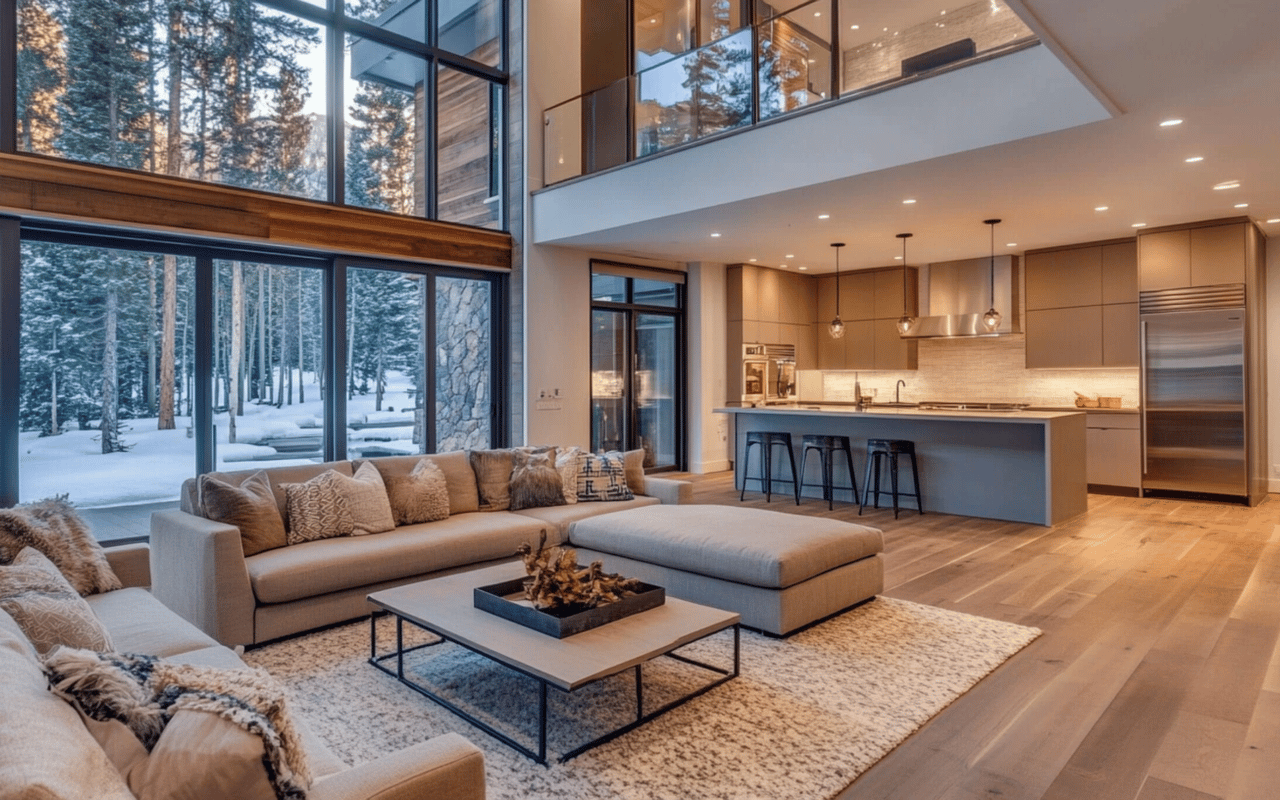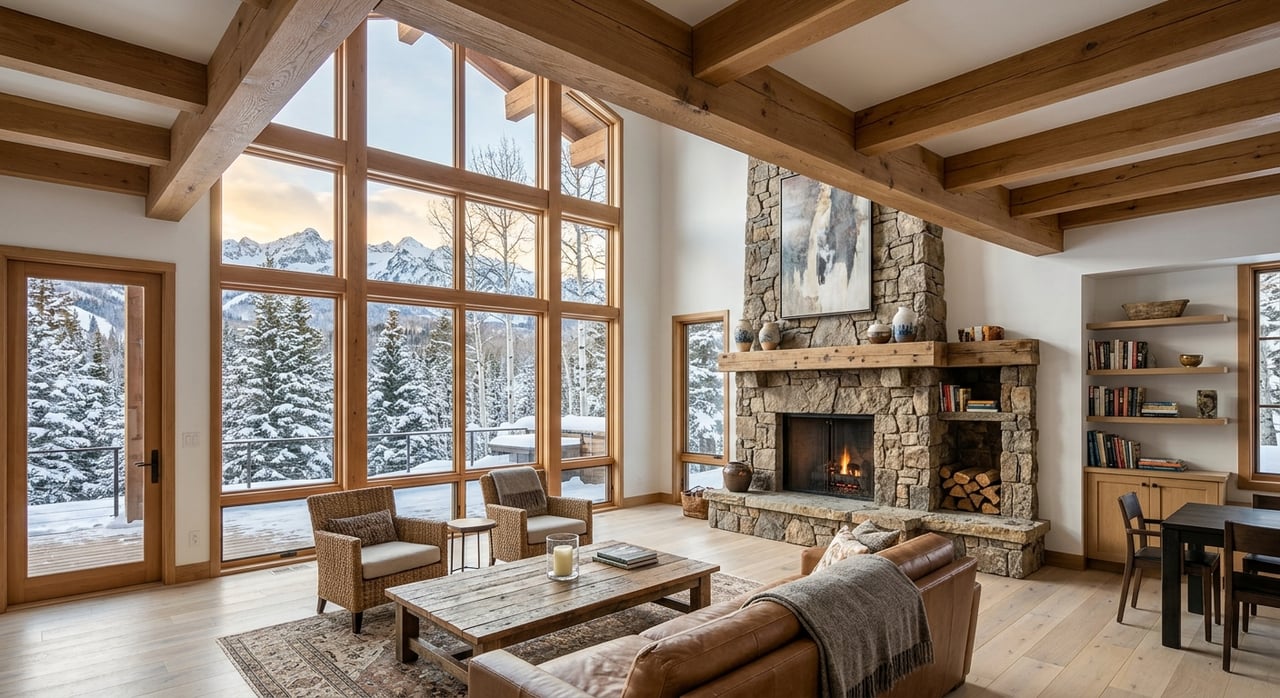
Selling a Snowmass ski home sounds simple on the surface: list it when the mountain is busy, add beautiful photos, and wait for the right buyer. In reality, this market asks for much more. Buyers in Snowmass are weighing seasonality, access, disclosures, timing, and lifestyle fit all at once, so your sale needs a clear plan from day one. If you want to protect value and reduce avoidable surprises, it helps to understand how timing, pricing, presentation, and local process work together. Let’s dive in.
Start With Snowmass Market Reality
Snowmass Village is a high-priced, low-volume resort market, which means every listing decision carries more weight. According to the Aspen Board of REALTORS April 2026 local market update, year-to-date single-family sales showed a median sales price of $9.275 million, an average sales price of $10.497 million, 160 days on market, 93.0% of list price received, 11 homes in inventory, and 4.8 months of supply.
For townhouse and condo sellers, the market has been softer on inventory and timing. The same report showed a $2.85 million median sales price, a $3.649 million average sales price, 143 days on market, 96.6% of list price received, 80 units in inventory, and 13.5 months of supply. The report also notes that small sample sizes can make any one month look more dramatic than it is, so these numbers are best used as directional guidance.
The practical takeaway is simple: do not assume a luxury ski home will sell quickly just because it is in Snowmass. Buyers often have choices, and longer marketing times mean a stale listing can become expensive.
Choose Timing Around the Resort Calendar
In Snowmass, timing is not just about the calendar year. It is about how your home lives and shows during the resort’s winter and summer seasons.
Snowmass Mountain’s 2025-26 winter season ran from November 27, 2025 to April 12, 2026. Its 2026 summer season runs from June 21 to October 4. Because the mountain offers skiing in winter and biking, hiking, gondola sightseeing, the Lost Forest, and the Snowmass Bike Park in summer, you can position a home around either ski access or warm-weather outdoor living depending on its strengths.
That matters because Snowmass is sold as a destination mountain experience, not just a house search by square footage. The ski area advertises 4,406 vertical feet, 3,342 acres of terrain, and 98 trails, and those features shape what buyers value when they visit.
Match your launch to your home’s best story
A successful sale often starts by deciding what story your property tells best.
If your home shines for winter living, your marketing may focus on features like:
- Ski access or ease of getting to the mountain
- Mudroom or ski-storage functionality
- Warm interior spaces for après-ski living
- Snowy views and winter ambiance
If your property is strongest in the warmer months, your campaign may emphasize:
- Decks, patios, and outdoor entertaining areas
- Views, sunlight, and indoor-outdoor flow
- Proximity to summer activities and trails
- Easy lock-and-leave ownership for second-home buyers
Prepare Disclosures Early
In Colorado, the Seller’s Property Disclosure form for residential properties has a mandatory use date of January 1, 2026. The form must be completed by you as the seller, not by the broker, and it is based on your current actual knowledge.
For a Snowmass ski home, this makes early preparation especially important. The disclosure form specifically asks about structural issues, roof leaks, moisture and water intrusion, drainage, access problems, HOA or common-interest issues, metropolitan districts, radon testing or mitigation, prior reports, insurance claims, and whether you currently occupy the property.
If you are an absentee owner or use the property seasonally, gathering records in advance can save time and stress later. In this market, buyers are likely to ask detailed questions, and being organized helps you respond with confidence.
Documents to gather before listing
Before your home goes live, it helps to assemble a complete file that supports your disclosures and answers likely buyer questions.
Consider gathering:
- Roof, drainage, or water-intrusion records
- Radon testing or mitigation information
- HOA documents and any known assessment details
- Insurance claim history
- Prior inspection or repair reports
- Access details, including ski access or shuttle access context
- Occupancy information if the home is vacant or used by others
Stage for Two Seasons
In Snowmass, staging is not only about making a home look attractive. It is about helping buyers picture how they would use the property in a resort setting.
General staging guidance from NAR recommends removing personal items, using neutrals, decluttering, and creating storage and versatile spaces. NAR also notes that virtual staging can be useful for vacant or inhabited homes. Its 2023 staging research is commonly summarized as showing that about 80% of buyer’s agents think staging helps buyers visualize a home, and about one-third say it can increase perceived value by 1% to 10% compared with similar unstaged homes.
For Snowmass sellers, the smart move is often to prepare for two visual versions of the home. One should feel warm, organized, and ski-ready. The other should highlight decks, views, and outdoor living.
What buyers want to feel
Luxury buyers in resort markets are not just buying bedrooms and baths. They are buying ease, comfort, and a sense of arrival.
That means your presentation should help a buyer quickly understand:
- Where gear will go
- How the home handles guests
- Whether the layout feels easy and relaxed
- How the property works in both peak ski season and the warmer months
If the property is vacant, virtual staging can help buyers understand scale and layout without requiring a full furniture install.
Price With Recent Snowmass Comps
One of the most common mistakes in a ski-home sale is pricing from aspiration instead of evidence. In Snowmass, current local comps matter more than broad regional averages.
The 2026 local market data suggest that overpricing can lead to a stale listing, especially with longer average marketing times and more supply than many sellers expect. When single-family homes are averaging 160 days on market and condos are averaging 143 days, a pricing miss can cost you momentum early.
A strong pricing strategy should take into account:
- The most recent Snowmass Village comparable sales
- Property type, whether single-family or condo/townhome
- Current inventory and months of supply
- Seasonal strengths of the home
- Whether the property has features buyers are actively prioritizing, such as ski convenience or strong outdoor spaces
Why precision matters
In a low-volume market, there may not be many perfect comparable sales. That makes pricing more nuanced, not less.
A thoughtful pricing plan should balance exclusivity with realism. If buyers feel a listing is chasing the market instead of meeting it, they often wait, negotiate harder, or move on.
Build Marketing Around Lifestyle and Logistics
In Snowmass, great marketing should do more than show a beautiful house. It should explain how the property fits into the rhythm of mountain life.
That starts with visuals. High-end still photography, drone shots, floor plans, and staged imagery are especially valuable in a resort market, where many buyers first engage with a listing from out of town.
It also helps to shape the story around how the home is actually used. Winter operating dates, ski-access convenience, summer recreation, and on-mountain amenities can all influence how buyers see value.
Plan showings around mountain activity
Snowmass lift operations run daily from 9:00 a.m. to 3:30 p.m., and the Sky Cab Gondola runs from 8:00 a.m. to 9:00 p.m. daily. Those hours can affect how buyers move through the village and how they experience your property during a visit.
For that reason, showing strategy should be intentional. Timing matters, especially when your buyer may be fitting home tours around ski days, travel schedules, or a short stay in town.
Keep the Home Ready to Show
Many Snowmass owners are not in residence full time, and that is normal. Still, absentee ownership creates a very practical challenge: your home needs to stay ready for short-notice tours.
Colorado’s disclosure form separates out whether the seller is occupying the property, whether it is vacant, or whether someone else is in possession. That framework reflects a common reality in resort markets, where homes may be empty between visits or occupied seasonally.
If your property is vacant, presentation needs extra attention. Even a well-designed home can feel flat if it is not staged, maintained, and easy to access for qualified showings.
A smart showing plan includes
- Clear access instructions
- Consistent housekeeping and light maintenance
- Updated disclosure information if anything material changes
- Flexible scheduling where possible
- Backup presentation support, such as virtual staging for empty spaces
Address Negotiation and Closing Costs Early
A successful sale is not just about generating interest. It is also about keeping the transaction smooth once an offer comes in.
In Snowmass Village, there is a local real estate transfer tax for property located within town limits. The tax is 1% of the purchase price, and the purchaser is responsible for it. The town also notes that only a limited number of exemptions are available.
Even though the buyer is responsible for that tax, it should still be part of the negotiation and net-sheet conversation early. In a luxury transaction, buyers and sellers often evaluate the full cost picture, not just the headline price.
Pitkin County’s Recording Office handles deed and real-property document recording. The county also states that it does not provide legal advice and recommends consulting a licensed attorney for transfer questions, which can be especially relevant if ownership structures, trusts, or HOA-related documents add complexity.
Work With a Plan, Not Just a Listing Date
The strongest Snowmass ski-home sales usually follow a coordinated plan. That plan brings together recent pricing data, seasonal timing, disclosure preparation, polished presentation, and careful transaction management.
In a market where buyers compare lifestyle, access, timing, and value all at once, details matter. When your sale is handled with a clear strategy from the beginning, you are better positioned to protect your time, reduce surprises, and present the property in its best light.
If you are considering a Snowmass sale and want discreet, concierge-level guidance from a team that understands Aspen-area resort real estate, Wendy Wogan can help you build a thoughtful plan from pricing through closing.
FAQs
When is the best time to list a Snowmass ski home?
- The best timing depends on whether your property shows strongest as a winter ski home or a summer mountain retreat. Snowmass has a clear seasonal rhythm, with winter operations typically running late November through mid-April and summer operations running late June through early October.
What disclosures matter most when selling a Snowmass home?
- Colorado’s current residential Seller’s Property Disclosure asks about structural issues, roof leaks, moisture or water intrusion, drainage, access problems, HOA matters, radon, prior reports, insurance claims, and occupancy status.
How long does it take to sell a home in Snowmass?
- Based on the Aspen Board of REALTORS April 2026 update, year-to-date average days on market were 160 for single-family homes and 143 for condos and townhomes, though local sample sizes can be small.
What questions do buyers ask about Snowmass ski homes?
- Buyers often ask about ski access versus shuttle access, roof and water-intrusion history, HOA or assessment obligations, and whether the home shows better in winter or summer.
Does Snowmass Village charge a transfer tax at closing?
- Yes. For property within Snowmass Village town limits, the town states that a 1% real estate transfer tax is due with the transaction or transfer, and the purchaser is responsible for the tax.
What makes a Snowmass listing strategy successful?
- A strong strategy usually combines accurate Snowmass-specific pricing, early disclosure preparation, seasonally aligned marketing, high-quality visuals, a clear showing plan, and proactive handling of closing details.