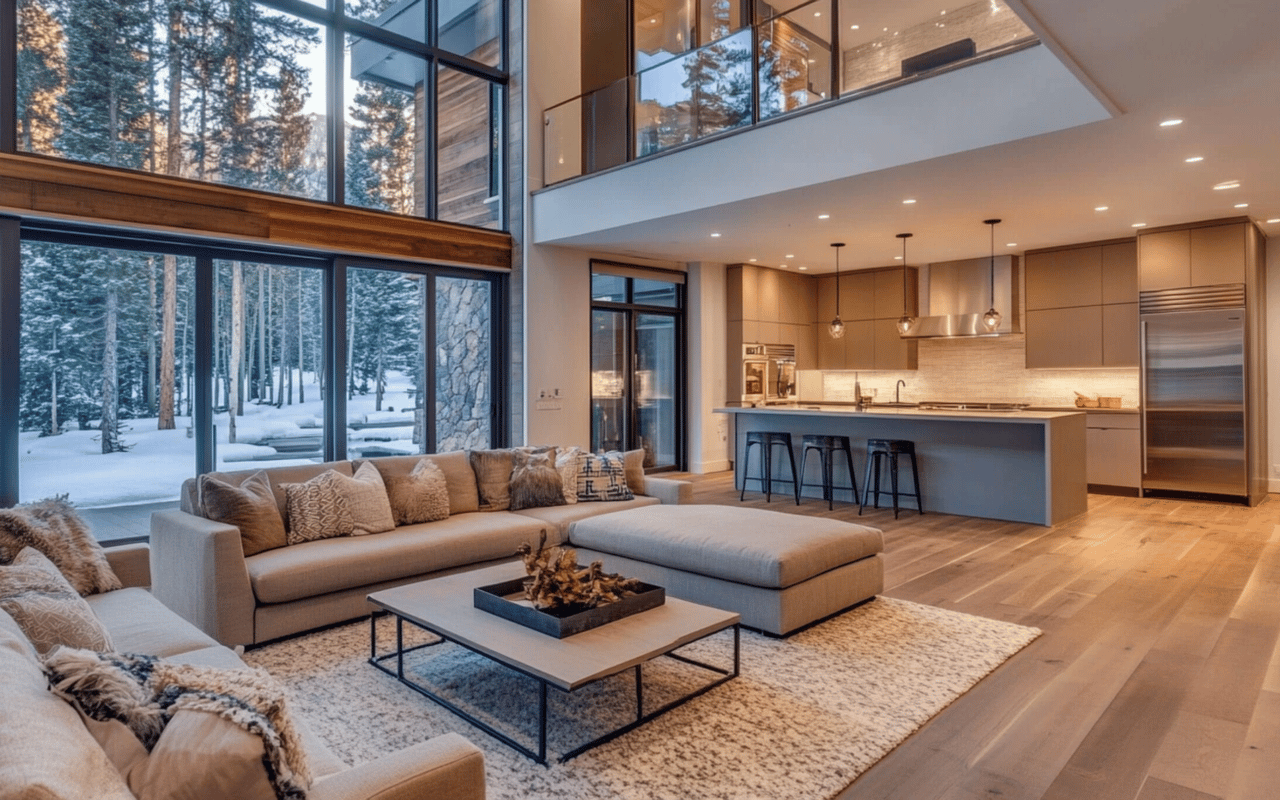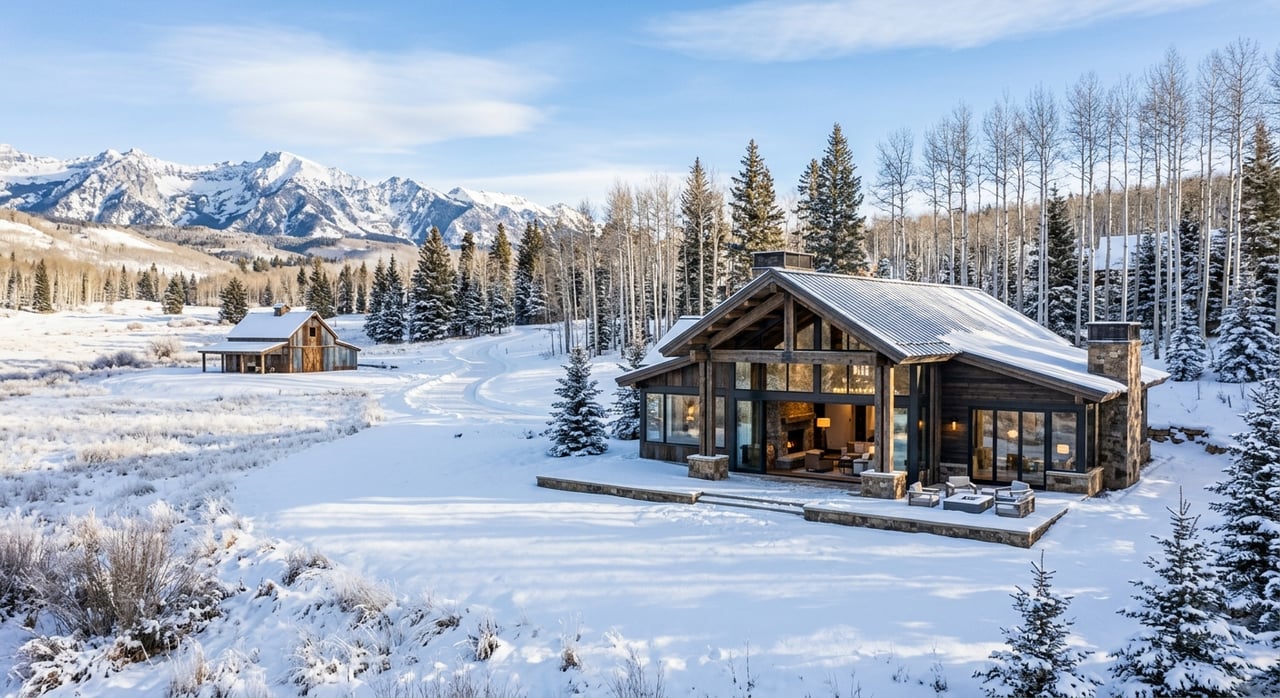
What does daily life really feel like when your home comes with open land, mountain views, and room to breathe? In Old Snowmass, acreage living is less about fitting into a neighborhood pattern and more about settling into a rural rhythm shaped by land, seasons, and access to the outdoors. If you are considering a home here, it helps to understand how privacy, stewardship, and convenience all come together. Let’s take a closer look.
Old Snowmass Starts With the Land
Old Snowmass sits in unincorporated Pitkin County, in an area county planning documents describe as predominantly rural and agricultural. That matters because it shapes not only the look of the valley, but also the feel of everyday life.
Instead of dense development and smaller lots, you will find a setting defined by open ground, views, wildlife, and a quieter pace. The appeal is often the full property experience, not just the house itself.
County planning for the Snowmass and Capitol Creek valleys is also focused on preserving rural and agricultural character. The goal is to keep the scale of development compatible with surrounding land uses and the broader valley landscape.
Acreage Living Means More Than a House
In Old Snowmass, many buyers are drawn to a home-plus-land lifestyle. That can mean open pastures, barn or outbuilding space, flexible outdoor use, and a stronger connection to how the property functions day to day.
Nearby Pitkin County open space examples help illustrate the kind of land use common in the area. These include horse pasture at Deer Creek, irrigated lease area and river frontage at Wheatley, small-scale farming and barn space at Lazy Glen, and preserved irrigated fields and water rights at Phillips.
Taken together, those examples show that acreage living here often includes some level of land management. Depending on the property, daily life may involve maintaining open space, thinking about irrigation, or using the land for equestrian or agricultural purposes.
Rural Character Is Intentionally Protected
One of the reasons Old Snowmass feels the way it does is that the valley is intentionally stewarded. Local planning is designed to preserve the scale of existing development and support compatibility with ranchland, open scenery, and agricultural uses.
For buyers, that can be an important part of the value. You are not just purchasing privacy today. You are also buying into an area where rural character has a clear planning framework behind it.
That same framework includes a 5,750-square-foot maximum floor area in the valley plan area. While every property should be evaluated individually, the broader takeaway is clear: the valley is guided by moderation in scale rather than unchecked expansion.
Daily Routines Follow the Seasons
Life on acreage in Old Snowmass tends to feel seasonal in a very real way. The landscape affects how you move through the year, from summer trail days to winter routines shaped by snow, wildlife patterns, and road conditions.
Pitkin County trail guidance reflects that rhythm. The Basalt-Old Snowmass Trail is open year-round and groomed for Nordic skiing in winter, and the Rio Grande Trail is also open year-round.
At the same time, some county trails close seasonally to protect wildlife during migration and winter months, and to reduce damage when conditions are muddy or snow-covered. For residents, that creates a sense of living with the land rather than simply next to it.
Outdoor Access Is Part of Everyday Life
For many owners, one of Old Snowmass’s biggest advantages is how naturally outdoor recreation fits into daily living. You are close to places that people actively use for hiking, riding, biking, skiing, and river access.
Snowmass Creek Trailhead is a major access point to the Maroon Bells-Snowmass Wilderness. Pitkin County notes that it serves hikers, backpackers, equestrians, and outfitters, and summer demand can exceed existing parking capacity.
That detail says a lot about the area. In Old Snowmass, wilderness access is not an occasional novelty. It is part of the lived environment.
Trails and river access nearby
The area also offers year-round and river-oriented recreation that helps make rural living feel active and connected. Nearby amenities documented by Pitkin County include:
- The Basalt-Old Snowmass Trail, open year-round
- The Rio Grande Trail, open year-round
- Roaring Fork River frontage and an informal kayak put-in and take-out at Wheatley
- River access and a pedestrian and bike bridge to the Rio Grande Trail at Lazy Glen
If you value movement, scenery, and time outside, these kinds of access points can shape your routine as much as the home itself.
Privacy Without Total Isolation
A common misconception about acreage living is that more land always means less convenience. Old Snowmass offers a different balance.
The setting is private and low-density, but it is still connected to the wider Roaring Fork Valley. That makes it appealing if you want breathing room without feeling cut off from daily needs or regional amenities.
Pitkin County describes the broader area as being known for Aspen and Snowmass ski resorts along with year-round arts, cultural, and recreational events. For many owners, Old Snowmass works best as country living with access to those nearby experiences.
Transit and Connectivity Matter More Than You Think
Even in a rural setting, practical connections matter. Old Snowmass has an RFTA Park & Ride with 37 spaces and Local Valley service, which adds another layer of flexibility for getting around the valley.
RFTA also provides commuter service between Aspen and Glenwood Springs, ski shuttles to the four Aspen-Snowmass ski areas, and Maroon Bells shuttles. If you split time between a rural property and resort-area activities, that access can be part of the appeal.
Connectivity is also improving in another sense. Pitkin County’s telecommunications department says it is expanding fiber and wireless broadband into data-sparse parts of the county, which is especially relevant if you want rural space without giving up modern service expectations.
What Buyers Should Picture Day to Day
If you are exploring acreage in Old Snowmass, it helps to picture the lifestyle in practical terms. This is often a market for people who want space, views, privacy, and a stronger sense of place.
It can also be a fit if you appreciate the responsibilities that come with land. In this setting, the property may involve more than the residence itself, especially when open ground, water use, or equestrian and agricultural features are part of the package.
For some buyers, that is exactly the point. The experience is less about convenience at your doorstep and more about waking up in a valley where the land still sets the tone.
Why Old Snowmass Appeals to Acreage Buyers
Old Snowmass stands out because it offers several lifestyle qualities at once. You can have privacy and open land, but still stay within reach of Aspen-area amenities, trails, transit options, and year-round recreation.
Just as important, the valley’s rural feel is not accidental. It is reinforced by county planning, seasonal stewardship, and a long-standing emphasis on compatibility with the surrounding landscape.
That combination is hard to replicate. For the right buyer, everyday life on acreage in Old Snowmass feels grounded, scenic, and connected in all the ways that matter.
If you are thinking about buying or selling acreage in Old Snowmass, the details behind each property matter. From land use and setting to access and long-term fit, a thoughtful local perspective can make all the difference. For private guidance tailored to your goals, connect with Wendy Wogan.
FAQs
What is everyday life on acreage in Old Snowmass like?
- Everyday life in Old Snowmass is shaped by open land, rural surroundings, seasonal changes, and close access to trails, river areas, and the broader Aspen region.
What makes Old Snowmass different from a standard neighborhood setting?
- Old Snowmass is defined more by large parcels, agricultural and rural character, and compatibility with ranchland and open scenery than by tighter lot coverage or suburban-style development.
What kinds of properties are common in the Old Snowmass area?
- Properties in and around Old Snowmass often feature open ground, outbuildings, flexible land use, and in some cases equestrian, irrigation, or agricultural elements.
How does Pitkin County protect Old Snowmass’s rural character?
- Pitkin County planning for the valley is intended to preserve rural and agricultural character, maintain compatibility with surrounding land uses, and guide development scale within the area.
What outdoor access do Old Snowmass residents have nearby?
- Residents have access to year-round trails such as the Basalt-Old Snowmass Trail and the Rio Grande Trail, plus nearby wilderness access at Snowmass Creek Trailhead and river-oriented recreation at places like Wheatley and Lazy Glen.
Is Old Snowmass connected to Aspen-area amenities?
- Yes. Old Snowmass offers a rural setting while remaining connected to Aspen-area skiing, arts, cultural events, recreation, and regional transit through RFTA services.
Does Old Snowmass offer public transit options?
- Yes. Old Snowmass has an RFTA Park & Ride with 37 spaces and Local Valley service, along with access to broader commuter, ski shuttle, and Maroon Bells shuttle routes.
Is internet and broadband improving in Old Snowmass?
- Pitkin County’s telecommunications department reports ongoing expansion of fiber and wireless broadband into data-sparse areas of the county, which supports better connectivity in rural locations.