Thinking about buying in Carbondale but torn between a newer home and a historic in-town property? You are not alone. In a town with a preserved historic core, newer growth areas, and strong access to trails and downtown, the right choice often comes down to how you want to live day to day. This guide will help you weigh maintenance, location, character, and long-term planning so you can choose with more confidence. Let’s dive in.
Carbondale’s housing pattern matters
Before you compare homes, it helps to understand how Carbondale is laid out. Carbondale is in Garfield County, not Pitkin County, and town planning documents describe it as a community at the confluence of the Crystal and Roaring Fork rivers. That setting shapes both the feel of the town and where different types of housing tend to show up.
Carbondale’s downtown is the historic center and is planned as a pedestrian-oriented core. The town’s comprehensive plan supports preserving historic buildings, allowing some variety in new construction, and keeping downtown height to three stories. That means the oldest in-town homes and the newer areas around town often offer very different living experiences.
Historic residential areas are concentrated in the original townsite and Weaver’s Addition. Survey work also shows that newer development has been more concentrated along Highway 133 west of the historic core. For you as a buyer, that often means a practical tradeoff between classic in-town character and newer construction features.
Why some buyers choose new builds
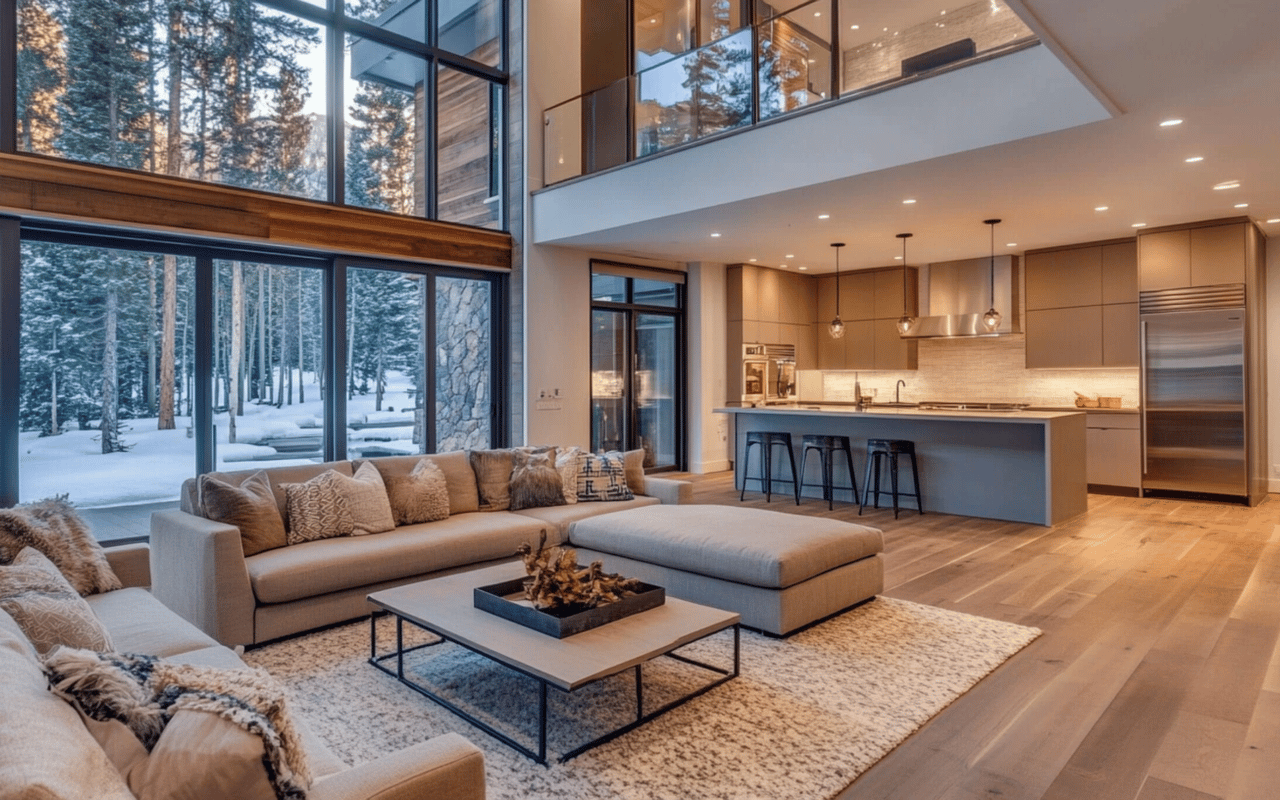
If your top priority is convenience, newer construction can be a strong fit. A new build often means fewer immediate repair decisions, more current systems, and an easier path to modern energy performance. For many buyers, that creates a smoother move-in experience.
Colorado requires local jurisdictions to adopt one of the three most recent energy code versions when they update building codes. The Colorado Energy Office says jurisdictions updating codes between July 1, 2023 and June 30, 2026 must adopt the 2021 IECC plus model electric-ready and solar-ready code. In plain terms, that helps explain why newer homes often appeal to buyers who want more predictable operating performance.
Some new homes may also be built to higher performance standards. The U.S. Department of Energy describes certified efficient new homes as high-performance homes built for energy savings, comfort, health, and durability, with third-party verification. While not every new build will carry that certification, the general direction of newer construction tends to support lower-friction ownership.
What new builds often offer
- Newer mechanical systems
- Layouts designed for modern living
- Fewer short-term upgrade projects
- Better alignment with current energy-code expectations
- Less need to plan immediate retrofit work
The Carbondale tradeoff with new construction
In Carbondale, newer homes are more likely to appear in or near the Highway 133 growth pattern than in the oldest downtown blocks. That does not mean they are disconnected from town life, but it can mean a different relationship to Main Street and the original street grid. If you want newer systems and finishes, you may be giving up some of the immediate proximity and texture of the historic core.
That said, newer mixed-use areas in Carbondale are still designed with walkability in mind. The town’s zoning supports compact, pedestrian-friendly living with multimodal access to downtown and the Rio Grande Trail. So the question is often not walkable or not walkable, but rather what kind of walkable setting fits you best.
Why some buyers choose historic in-town homes
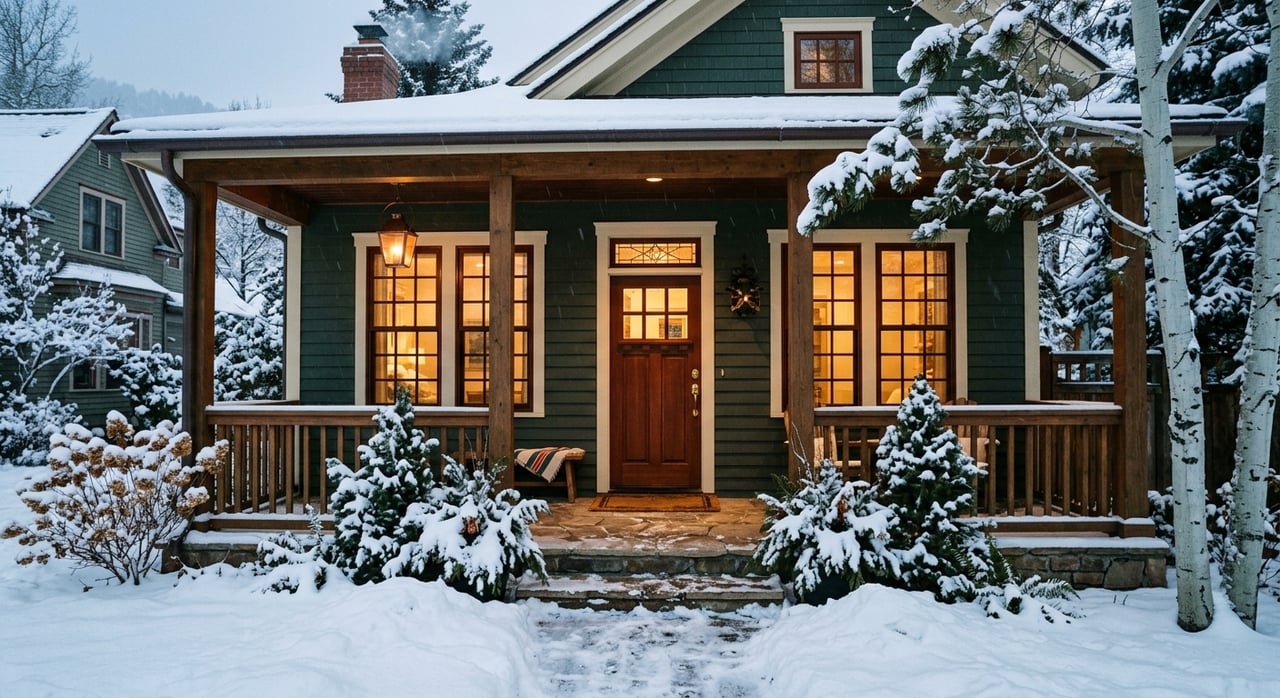
If you are drawn to established streets, older architecture, and a stronger sense of place, a historic in-town home may feel like the right answer. Carbondale’s survey work identifies the original townsite and Weaver’s Addition as the main historic residential areas. It also notes that some properties may be individually eligible for the National Register or State Register.
For many buyers, that translates into charm you can feel right away. Historic in-town homes often sit closer to downtown shops, civic uses, and the Rio Grande Trail corridor. If your ideal day includes walking into town, enjoying the established neighborhood fabric, and living near the center of community activity, older in-town homes usually offer the clearest path.
What historic in-town homes often offer
- Strong architectural character
- A more established street pattern
- Faster access to downtown destinations
- Close connection to the historic core
- A lifestyle centered on walking and biking around town
What to watch with older homes
Character is valuable, but older homes usually ask more of you as an owner. That does not make them a poor choice. It simply means your budget and expectations should match the realities of an older structure.
One major issue is renovation planning. The EPA states that homes built before 1978 are more likely to contain lead-based paint, and renovation, repair, or painting work in those homes can create significant lead dust. If you are considering an older Carbondale home, lead-safe planning may need to be part of your renovation approach.
Mechanical systems can also be a factor. The Department of Energy says older fossil-fuel furnaces and boilers often run at 56% to 70% efficiency, while modern conventional systems can reach as high as 98.5%. That does not mean every older home has outdated equipment, but it does show why HVAC and utility performance deserve a close look.
Historic homes can absolutely be updated over time. The National Park Service notes that historic properties can be made more sustainable, energy-efficient, and resilient without losing historic character. For buyers who are comfortable with phased improvements, that can make an older in-town home a very rewarding long-term choice.
Comparing lifestyle fit in Carbondale
The best home is not always the newest or the most charming. It is the one that matches the way you want to live, maintain, and use your property. In Carbondale, that usually comes down to three paths.
Choose a new build if you want low friction
New construction tends to fit buyers who want fewer immediate projects, newer systems, and easier alignment with current energy-performance expectations. If you are relocating, splitting time between homes, or simply want a more turnkey experience, this path can reduce early ownership stress.
Choose a historic in-town home if you want character
Historic homes tend to fit buyers who care most about older architecture, established streets, and close access to downtown and the trail network. If your vision of Carbondale centers on being in the heart of town, an older home may offer the strongest lifestyle match.
Choose the middle path if you want both
Some buyers find the best answer in an older home with solid fundamentals and a clear renovation plan. That approach lets you enjoy the location and character of the historic core while improving comfort and efficiency over time. It is often a smart compromise if you have some renovation appetite but still want to preserve what makes the home special.
Budgeting beyond the price tag
In Carbondale, the cost difference between a new build and a historic in-town home is not only about the purchase price. It is also about where your money goes after closing. Thinking this through early can help you avoid surprises.
With older homes, future spending may include lead-safe renovation practices, HVAC replacement, weatherization, and preservation-sensitive updates. With newer homes, more of those costs are often built into the purchase price through current-code construction. Neither model is inherently better, but they create very different ownership timelines.
Trail and downtown access can tip the scale
For many Carbondale buyers, access matters as much as architecture. The town’s planning framework emphasizes multimodal access to downtown and the Rio Grande Trail. If your routine includes walking, biking, or using trail connections often, location may outweigh almost every other feature on your list.
Trail-oriented buyers should also know that RFTA manages the Rio Grande Trail corridor through Carbondale. The segment between Glenwood Springs and Main Street in Carbondale is plowed in winter when snowfall exceeds 3 inches. If year-round trail access is part of your lifestyle, that detail can matter more than you might expect.
How to decide with confidence
When you compare Carbondale new builds versus historic in-town homes, try not to start with finishes alone. Start with your tolerance for projects, your daily habits, and how much value you place on being close to the historic center. The right answer usually becomes clearer once you weigh those factors honestly.
If you want ease, efficiency, and fewer early decisions, a new build may be the cleaner fit. If you want walk-to-town living, character, and an established setting, a historic in-town home may offer more long-term satisfaction. And if you want a bit of both, an older home with a thoughtful improvement plan can be an excellent middle ground.
Carbondale gives you more than one good option. The key is matching the home to your version of valley living, not just to a checklist. If you want help comparing specific properties, renovation considerations, or location tradeoffs in Carbondale and across the Roaring Fork Valley, Wendy Wogan can help you navigate the decision with local insight and concierge-level guidance.
FAQs
What is the main difference between Carbondale new builds and historic in-town homes?
- New builds usually offer newer systems and fewer immediate projects, while historic in-town homes often offer more character, an established street pattern, and closer access to downtown.
Where are most historic homes located in Carbondale?
- Historic residential areas are mainly concentrated in the original townsite and Weaver’s Addition.
Where are newer homes more likely to be found in Carbondale?
- Newer development has been more concentrated along Highway 133 west of the historic core.
Are historic Carbondale homes harder to update for energy efficiency?
- Not necessarily. National Park Service guidance says historic properties can be improved for sustainability, energy efficiency, and resilience without losing historic character.
What should buyers watch for in older Carbondale homes?
- Buyers should pay close attention to possible lead-safe renovation needs in pre-1978 homes, the age and efficiency of mechanical systems, and the likelihood of phased maintenance or upgrades.
Is the Rio Grande Trail useful year-round for Carbondale buyers?
- It can be. RFTA manages the trail corridor through Carbondale, and the segment between Glenwood Springs and Main Street in Carbondale is plowed in winter when snowfall exceeds 3 inches.