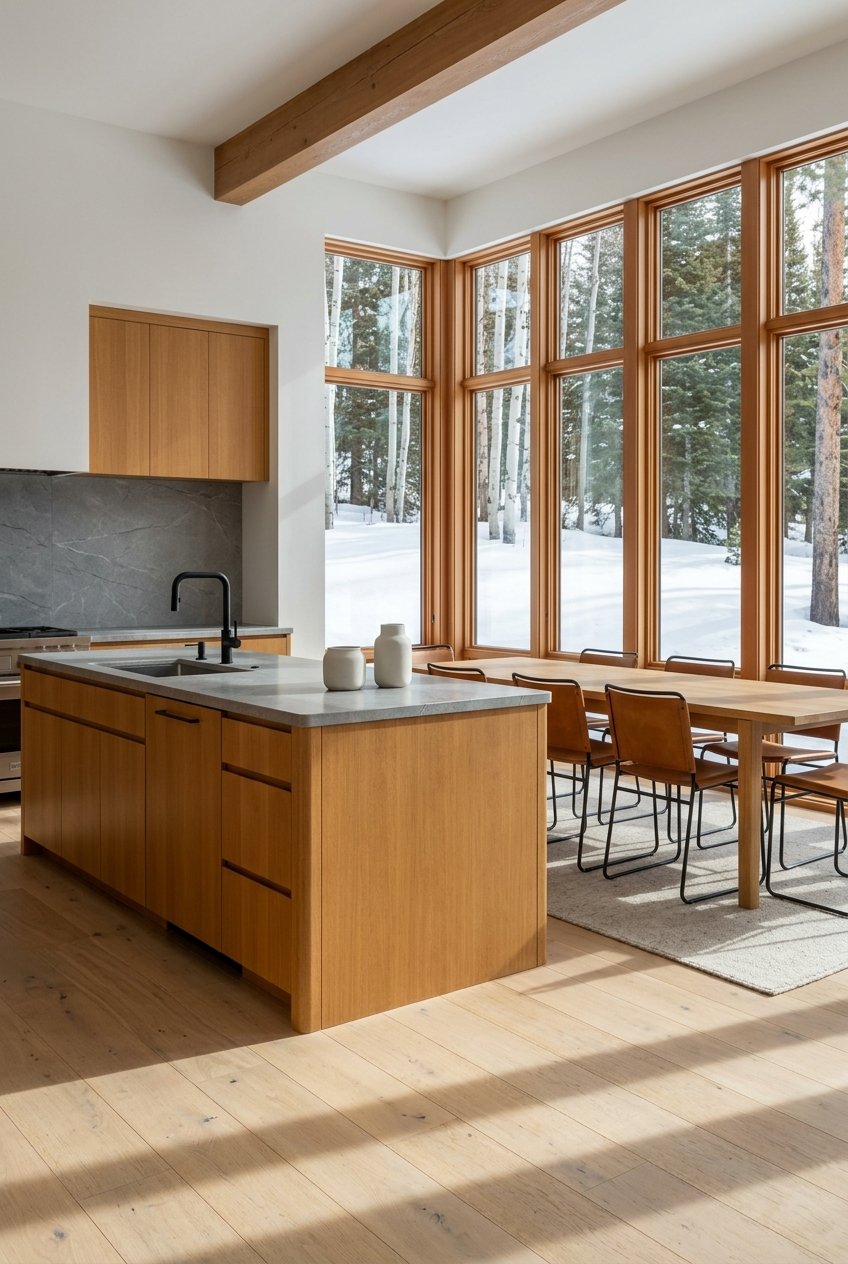
Buying a Snowmass ski home from another city can feel simple on the surface, especially when a listing is described as "turnkey." But in a resort market like Snowmass, turnkey can mean very different things depending on the property, the jurisdiction, and whether you plan to rent it. If you want a smooth purchase and fewer surprises after closing, you need more than a virtual tour and a signed contract. You need a clear plan for due diligence, closing logistics, and local compliance. Let’s dive in.
What turnkey means in Snowmass
In Snowmass, turnkey does not just mean stylish furniture, stocked kitchen drawers, and a ready-to-use ski mudroom. It can also mean understanding whether the home is actually ready for your intended use, especially if you plan to rent it for part of the year.
If the property is inside Snowmass Village and will be rented for fewer than 30 consecutive days, the town treats that use as a short-term rental. Under the Snowmass Village short-term rental rules, owners need a business license and an STR permit. The town notes that the revised rules took effect Dec. 30, 2025, the permit fee is $400, and permits expire each year on April 30.
The permit process also asks for more than basic ownership information. Snowmass requires a designated local owner representative, property-management contact information, and in some ownership structures, a notarized Statement of Authority. For an out-of-town buyer, that is a practical reminder that a home is not truly rental-ready just because it is fully furnished.
Confirm the property’s jurisdiction first
One of the most important first steps is confirming whether the address is inside Snowmass Village or in unincorporated Pitkin County. That distinction directly affects the rules you will need to follow.
For homes in unincorporated Pitkin County, a separate Pitkin County short-term rental program applies. The county requires a valid STR license for stays under 30 days, asks applicants to apply at least 14 days in advance, and uses a 4-night minimum and 120-night maximum framework with fees tied to market value.
That means two nearby homes can have very different compliance paths. Before you rely on a listing description that says turnkey or rental-friendly, verify the property’s exact jurisdiction and the rules that go with it.
Treat due diligence like a gatekeeping step
When you are buying from afar, the inspection period matters even more. It is your best opportunity to pressure-test the property, the numbers, and the day-to-day realities of ownership before you are committed.
The Consumer Financial Protection Bureau recommends scheduling an independent home inspection as soon as possible. CFPB also notes that if you are financing the purchase, your lender will generally require an appraisal, and buyers should consider financing and inspection contingencies to protect themselves.
For a Snowmass purchase, this step should go beyond the basics. You should also ask about flood and disaster risk, and whether home insurance will be available and affordable. In Pitkin County, emergency planning includes hazards such as wildfires, floods, avalanches, and severe weather, so these questions are part of smart mountain-market buying, not extra caution.
Look closely at HOA and parking rules
For condos and townhomes, HOA details can shape how turnkey a property really feels after closing. If you are buying remotely, these rules can be easy to overlook during a fast-moving search.
Snowmass Village’s STR application asks for HOA identity, whether parking is restricted, and how many parking spaces are assigned. That tells you something important right away: parking and HOA rules are not minor details. They can affect guest logistics, owner use, rental plans, and your overall experience.
If the home is part of a common-interest community, request HOA documents early. Review any rental-related restrictions, local contact requirements, and parking rules before you make decisions based only on photos, staging, or a remote walkthrough.
Title and insurance deserve extra attention
Remote buyers often focus on the visible parts of a property and spend less time on the paperwork that protects ownership. In reality, title and insurance review are central parts of the process.
According to the CFPB’s guidance on owner’s title insurance, most lenders require lender’s title insurance when there is a mortgage. CFPB also explains that owner’s title insurance can help protect your financial investment against pre-purchase claims such as unpaid taxes or contractor liens.
Insurance review matters just as much. In a mountain setting, availability, cost, and hazard-related coverage can affect your carrying costs and risk exposure. That is why it is wise to raise those questions early, rather than waiting until the final days before closing.
Plan your remote closing early
A long-distance closing can be efficient, but only if everyone is aligned ahead of time. The more expensive and time-sensitive the purchase, the more valuable that coordination becomes.
The CFPB says you must receive the Closing Disclosure at least three business days before closing. You can also ask in advance for other key documents, including the promissory note, mortgage or deed of trust, and deed, so you have time to review final numbers and ask questions before signing.
Colorado allows both electronic notarization and remote notarization, but they are not the same. The Colorado Secretary of State explains that electronic notarization requires you to appear in the physical presence of the notary, while remote notarization uses real-time audio-video communication. The notary must be in Colorado, but you can be outside the state.
That flexibility can make a remote Snowmass purchase much easier. Pitkin County also accepts eRecording through approved vendors, which helps streamline the final recording step.
If you plan to rent, set up compliance before closing
If your Snowmass ski home will double as an income-producing property, it helps to think beyond the purchase itself. A furnished home is only one piece of the puzzle.
Within town limits, Snowmass Village sales and lodging tax rules state that the town sales tax is 10.65% and the lodging tax is 13.05%. Businesses or individuals providing lodging in town must register, collect, and remit the required tax, and the town uses MuniRevs for licensing and tax remittance.
Snowmass also requires a business license before conducting business or advertising a short-term rental. Its STR application asks for property-management contact information, a designated local owner representative, and operational details such as beds, bedrooms, parking, HOA identity, and advertising information.
For remote owners, that creates a clear takeaway: turnkey rental ownership in Snowmass depends on local operating structure as much as interior condition. If the home is in unincorporated Pitkin County, you will instead need to follow the county’s separate program and timeline.
Understand post-closing ownership tasks
Your work does not always end the moment the deed records. If you own from afar, it helps to know what administrative tasks may follow.
Pitkin County’s tax information page explains that the Assessor values property, the Treasurer bills property taxes from the certified tax roll, and tax notices are typically sent in mid-January. The county also offers online tax search and payment tools, along with monthly escrow-style payment options for owners whose loans do not escrow taxes.
If you plan any post-closing improvements, online systems can make remote ownership easier. Snowmass Village’s Community Connect permit portal is designed to handle permit applications, reviews, issuance, and inspection scheduling electronically.
How a local advisor reduces friction
When you are buying from another state or another country, local coordination becomes part of the value of representation. In a market like Snowmass, that can mean helping you verify jurisdiction, organize inspections, surface HOA and parking issues, and keep title and closing steps on track.
The CFPB recommends working with an agent who has strong experience in your preferred neighborhoods, price range, and property type. For a Snowmass ski home purchase, that local guidance can help you move from a promising listing to a well-vetted acquisition with fewer last-minute surprises.
If you are considering a Snowmass purchase and want a discreet, high-touch approach, Wendy Wogan can help you evaluate turnkey options, coordinate the moving pieces of a remote transaction, and navigate the local details with more confidence.
FAQs
What does turnkey mean for a Snowmass ski home purchase?
- In Snowmass, turnkey can mean more than a furnished home. If you plan to rent the property short term, you also need to confirm local licensing, permit, management, and tax requirements.
How do Snowmass Village and Pitkin County short-term rental rules differ?
- Snowmass Village and unincorporated Pitkin County have separate STR programs. The applicable rules depend on the property’s exact location, so you should confirm jurisdiction before assuming a home is rental-ready.
Can you close on a Snowmass home remotely?
- Yes. Colorado allows remote notarization under certain rules, and Pitkin County accepts eRecording through approved vendors, which can help streamline a long-distance closing.
Why do HOA and parking rules matter when buying in Snowmass?
- For condos and townhomes, HOA restrictions and assigned parking can affect owner use, guest logistics, and rental operations. Those details should be reviewed early in the contract period.
What taxes apply if you rent out a Snowmass Village property?
- According to the town, Snowmass Village sales tax is 10.65% and lodging tax is 13.05%, and owners providing lodging within town limits must register, collect, and remit those taxes.
What should an out-of-town buyer review during due diligence for a Snowmass home?
- You should focus on inspection results, appraisal requirements if financing, title review, insurance availability, hazard-related questions, HOA documents, parking details, and any short-term rental compliance issues tied to the property’s location.